
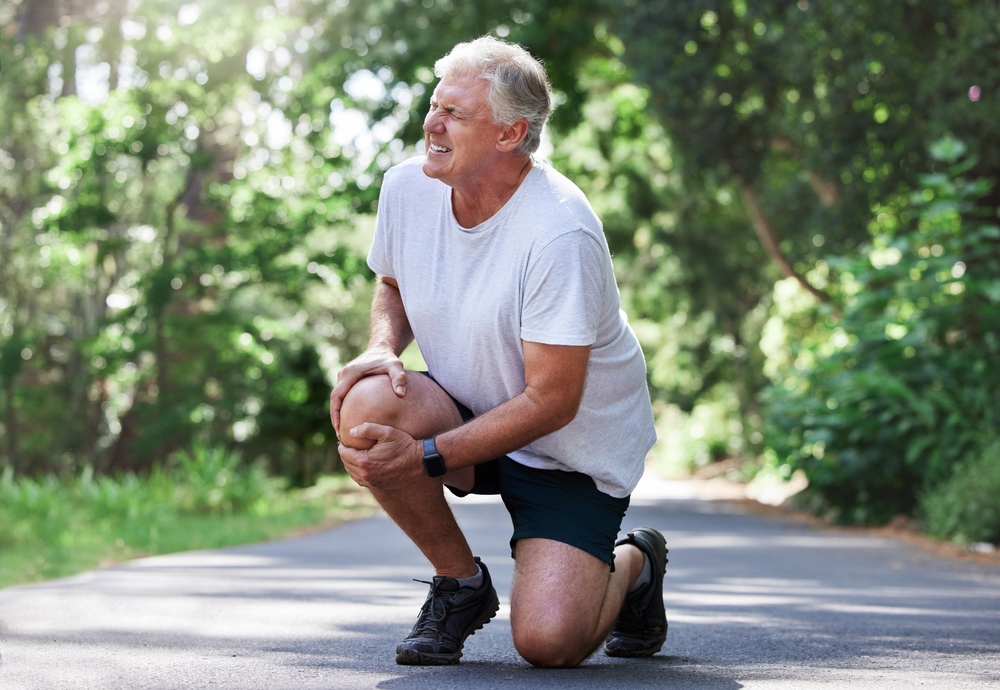
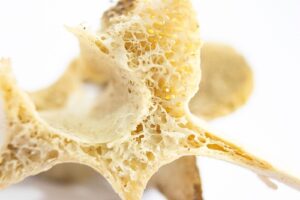
A minor fall, a sudden bump, or even a sneeze shouldn’t result in a broken bone. But for millions of seniors, this fragile reality is a daily concern. Osteoporosis in the elderly is a “silent disease” that weakens bones, making them porous and brittle without any obvious symptoms until a fracture occurs. This condition significantly impacts mobility and independence, turning simple household tasks into potential hazards. However, a diagnosis doesn’t mean life has to stop. With the right management strategies and professional care services for the elderly with osteoporosis, seniors can maintain their safety, strength, and quality of life. Reach out today to learn more about how we can help you enhance your golden years.
Understanding the Impact of Osteoporosis on Seniors
As we age, our bodies naturally lose bone density. However, osteoporosis in the elderly accelerates this process to a dangerous degree. The condition is particularly prevalent in post-menopausal women, but men are also at risk as they age.
Why is it dangerous?
The primary danger lies in fractures, most commonly in the hip, spine, or wrist.
- Hip Fractures: These are often the most serious, frequently requiring surgery and leading to a long, difficult recovery that can permanently reduce mobility.
- Spinal Compression: Weakened vertebrae can collapse, causing severe back pain, height loss, and a hunched posture (kyphosis).
- Loss of Independence: The fear of falling can lead seniors to withdraw from activities they enjoy, leading to isolation and muscle weakness from inactivity.
Signs to Watch For
Since osteoporosis is often silent, families should look for subtle changes:
- Gradual loss of height over time.
- Stooped or hunched posture.
- Back pain caused by a fractured or collapsed vertebra.
- A bone fracture that happens much more easily than expected.

Essential Care Services for the Elderly with Osteoporosis
Managing this condition requires a proactive approach to safety and health. Specialized care services for the elderly with osteoporosis focus on fall prevention, nutrition, and medication management to protect fragile bones.
Creating a Safe Home Environment
One of the most critical aspects of care is fall prevention. Professional caregivers can conduct safety assessments to remove hazards.
- Decluttering: Removing loose rugs and electrical cords from walkways.
- Lighting: ensuring all areas, especially hallways and bathrooms, are well-lit.
- Assistive Devices: Installing grab bars in bathrooms and railings on stairs.
Nutrition and Exercise Support
Care services often include meal planning to ensure seniors get enough calcium and vitamin D, which are essential for bone health. Additionally, caregivers can encourage and assist with gentle, weight-bearing exercises prescribed by a doctor to help maintain bone density and improve balance.
Accessing Support Through the NHTD Waiver Program
For many seniors, the cost of specialized home care can be a barrier. In New York, the NHTD waiver program (Nursing Home Transition and Diversion) offers a vital solution. This Medicaid waiver program is designed to help seniors and individuals with physical disabilities receive care in their own homes rather than in a nursing facility.
How NHTD Services Benefit Osteoporosis Patients
The program provides access to resources that are crucial for managing fragile health conditions.
- Service Coordination: A dedicated coordinator helps arrange necessary medical appointments and therapies.
- Home and Community Support Services (HCSS): These NHTD services provide supervision and assistance with daily living activities to prevent falls and ensure safety.
- Assistive Technology: The waiver may cover modifications or devices that make the home safer for someone with limited mobility.
By utilizing the NHTD waiver program, eligible seniors can access a comprehensive range of NHTD services that allow them to age in place safely, surrounded by the comfort of their own homes.
Facing a diagnosis of osteoporosis in the elderly requires vigilance, but it is manageable with the right support. By prioritizing fall prevention and utilizing professional care services for the elderly with osteoporosis, families can significantly reduce the risk of serious injury. Whether through private care or government initiatives like the NHTD waiver program, help is available to keep your loved ones safe. Take action today to build a stronger, safer foundation for the future. Feel free to call HouseCalls Home Care at 718-922-9200 if you or a loved one requires compassionate and competent in-home care services. You can also send an email to us at info@HouseCallshc.org for more information. Our goal is to help you find the best support for your needs. Alternatively, you can register your information at https://yuz88hfiyh7.typeform.com/to/E5thuv5G?typeform-source=statics.teams.cdn.office.net, and we will get back to you.


