
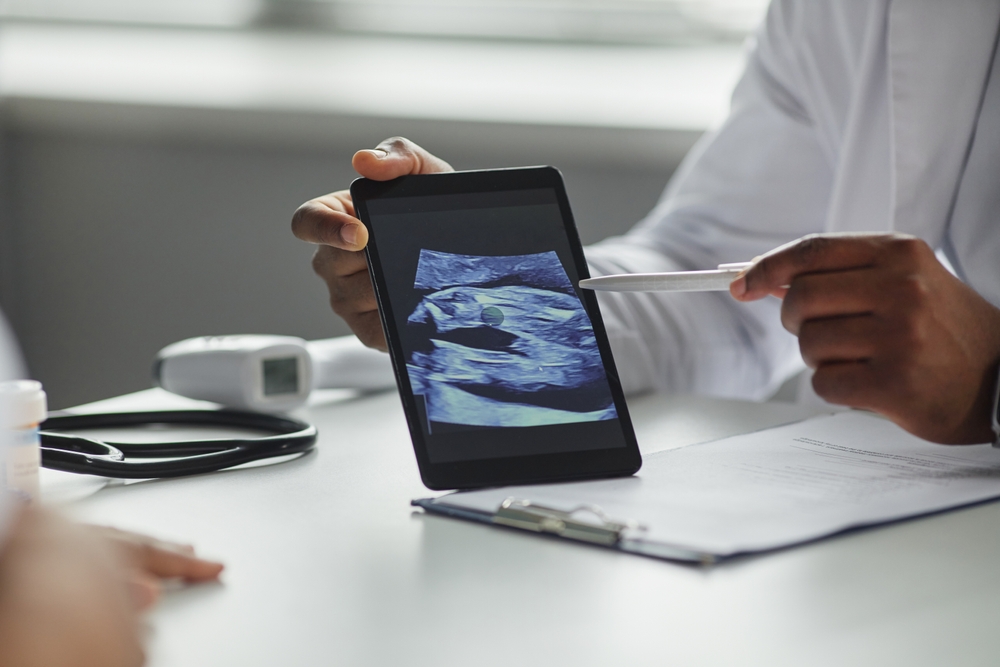
Recovering from a brain injury demands patience, expert care, and access to the right therapies. For many patients, finding effective treatments feels like a difficult puzzle. However, recent medical breakthroughs offer new hope for healing. The use of transcranial ultrasound in TBI rehabilitation is quickly emerging as a powerful tool for recovery. This non-invasive therapy helps stimulate brain activity and promote natural healing without the need for complex surgery.
In this article, we will examine how this innovative technology works to improve patient outcomes. We will also explore its role in daily medical routines and discuss how financial support programs can help you access these advanced treatments for your loved ones.
The Basics of Transcranial Ultrasound in TBI Rehabilitation
Medical professionals constantly seek new ways to repair damaged brain tissue safely. Transcranial ultrasound in TBI rehabilitation uses low-intensity sound waves to target specific areas of the brain. The sound waves safely pass through the skull to reach injured neural circuits.
Once these waves reach their target, they stimulate cellular activity. This process boosts blood flow and reduces harmful inflammation in the brain. Because the procedure requires no incisions, patients avoid the heavy risks associated with traditional brain surgery. They can undergo treatment and return home the same day.
How Sound Waves Promote Healing
Using focused sound waves offers several unique advantages for brain injury patients. Doctors can adjust the frequency to match the exact needs of the individual.
- Targeted Stimulation: Doctors can focus the sound waves precisely on the damaged areas, leaving healthy brain tissue completely unaffected.
- Painless Procedure: Patients experience no pain during the sessions, making it an excellent option for those with severe sensory sensitivities.
- Faster Recovery: Regular sessions encourage the brain to form new neural pathways, accelerating the return of motor and cognitive functions.
Integrating Ultrasound into TBI Management
Effective TBI management requires a comprehensive and highly adaptable approach. Ultrasound therapy is just one vital piece of a much larger puzzle. It works best when doctors combine it with traditional physical therapy, speech pathology, and cognitive exercises.
High-quality TBI management adapts to the patient as they heal over time. As the ultrasound therapy stimulates new brain connections, therapists can introduce more challenging physical tasks. This synchronized TBI management strategy ensures that patients maximize their recovery potential and regain their independence faster.
Securing Care Through the TBI Waiver
Advanced therapies and comprehensive care plans often come with high medical bills. Fortunately, state-funded financial support systems exist to help families afford these necessary treatments. The TBI waiver program allows patients to receive essential care in their own communities instead of moving into nursing facilities.
By utilizing a TBI waiver, individuals can access cutting-edge tools, home modifications, and professional nursing staff. This funding creates a safe living environment where patients can focus entirely on getting better.
Qualifying for Assistance
Applying for a TBI waiver requires detailed medical records that prove the severity of the brain injury. Doctors must document the patient’s current functional limits and outline a clear need for ongoing support. Securing this funding ensures that access to advanced treatments remains sustainable for the family.
Take the Next Step Toward Recovery
You do not have to navigate the complex world of brain injury recovery alone. Accessing the right therapies and financial support transforms the healing process. Reach out to Housecalls Home Care at 718-922-9200 to learn more about the TBI waiver program. They will help you review your eligibility and connect you with the resources necessary to build a brighter, healthier future.


