Low-mobility activities that stimulate dopamine and neuroplasticity in seniors include puzzles, music listening, creative arts, and gentle brain games. These activities support mood, memory, and mental flexibility without requiring physical exertion, making them ideal for older adults receiving home care services.
Keeping your loved one mentally active matters deeply, especially when physical movement is limited. Low-mobility activities that stimulate dopamine and neuroplasticity in seniors are not just a nice idea. They are a meaningful way to protect brain health, lift mood, and support a better quality of life at home.
Dopamine is the brain’s reward chemical. Neuroplasticity is the brain’s ability to form new connections at any age. Both can be nurtured through the right daily activities, even from a chair or bed.
Why Brain Stimulation Matters for Seniors With Limited Mobility
When movement is restricted, the risk of cognitive decline increases. According to the National Institute on Aging, mentally stimulating activities can help protect memory and slow age-related cognitive changes.
Your loved one does not need to be physically active to benefit. The brain responds to learning, creativity, and reward-based activities regardless of mobility level.
How Dopamine and Neuroplasticity Work Together
Dopamine is released when your loved one experiences something pleasurable, achieves a small goal, or learns something new. Neuroplasticity describes how the brain rewires itself in response to these experiences.
Together, they create a cycle: engaging activities trigger dopamine, dopamine reinforces motivation, and motivation drives continued learning. This cycle supports emotional well-being and cognitive resilience.
Low-Mobility Activities That Stimulate Dopamine and Neuroplasticity in Seniors
These activities are practical, accessible, and can be supported by home care services as part of a daily routine.
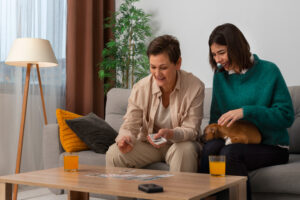
Puzzles and brain games: Crossword puzzles, Sudoku, and memory card games challenge problem-solving and pattern recognition. Completing even one puzzle triggers a small dopamine release that encourages continued engagement.
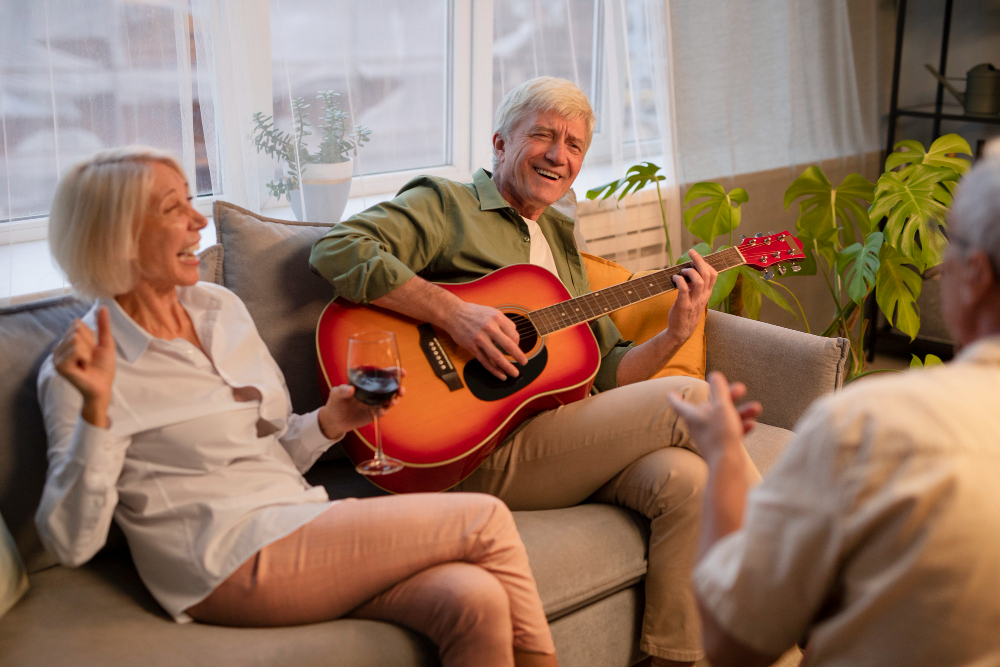
Music listening and learning: According to a study published in the journal Brain, music activates multiple regions of the brain simultaneously. Listening to favorite songs, learning lyrics, or even tapping along to rhythm supports neuroplasticity in meaningful ways.
Creative arts: Drawing, coloring, knitting, or writing poetry engage fine motor skills alongside creative thinking. The act of making something new is a reliable dopamine trigger for your loved one.
Reading and storytelling: Reading fiction, listening to audiobooks, or sharing personal stories stimulates memory recall and imagination. Oral storytelling, in particular, connects your loved one to identity and purpose.
Learning something new: A short online course, a new language app, or even a new card game introduces novelty. Novelty is one of the most effective neuroplasticity triggers the brain has.
How Home Care Services Can Support These Activities
Consistency is what makes these activities truly effective. A caregiver who understands your loved one’s preferences can build brain-stimulating routines into the daily schedule without added stress to your family.
Housecalls home care providers are well-positioned to offer this kind of personalized attention. They can introduce activities gradually, adjust them based on cognitive ability, and provide the companionship that makes engagement more enjoyable.
Home care services also reduce caregiver burnout. When a trusted professional is present, your family can focus on connection rather than coordination.
Practical Tips for Getting Started
Starting simple is the right approach. You do not need specialized equipment or a formal program.
- Begin with one activity your loved one already enjoys.
- Keep sessions short, around 15 to 20 minutes.
- Celebrate small wins to reinforce the dopamine response.
- Rotate activities every few days to introduce variety.
- Ask a housecalls home care provider to observe what your loved one responds to most.
The goal is not perfection. The goal is consistent, enjoyable engagement.
Your Loved One’s Brain Health Starts Today
Mental engagement is one of the most powerful tools available to seniors with limited mobility. The activities described here are simple, affordable, and deeply effective when practiced consistently.
Our compassionate care team recognizes cognitive stimulation as a key component of healthy aging at home. If you are ready to build a supportive routine for your loved one, home care services can make that process easier and more sustainable.
Reach out to a housecalls home care provider today by calling 718-922-9200 to learn how personalized care can support your loved one’s brain health, mood, and overall well-being.