
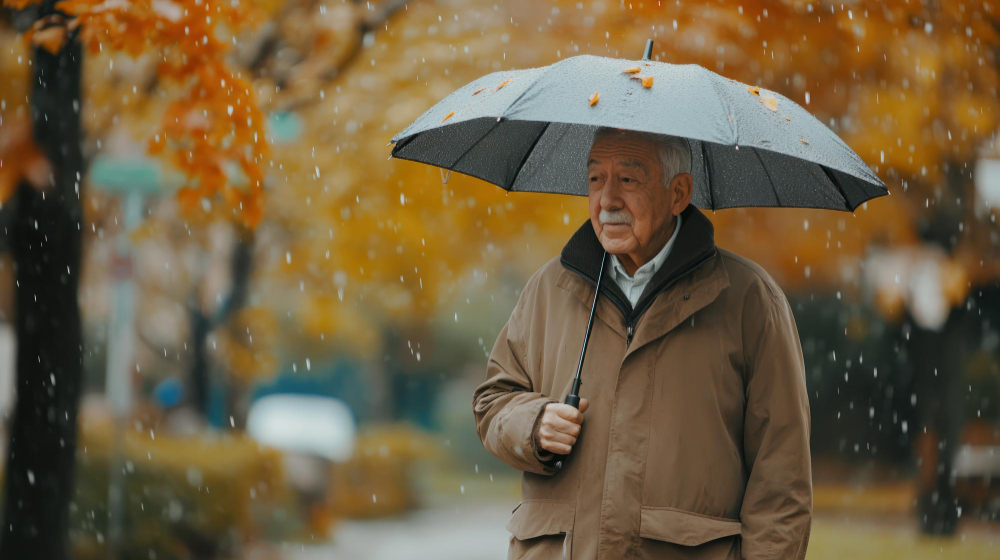
Weather extremes are dangerous for seniors because aging reduces the body’s ability to regulate temperature. Hypothermia, dehydration, and dysregulation are three serious risks that can develop quickly and become life-threatening without proper care and monitoring.
Heat waves, deep freezes, and sudden temperature shifts are hard on anyone. For older adults, they can be life-threatening. As the body ages, it loses much of its natural ability to detect and respond to temperature changes. Your loved one may not feel cold when they should, or may not recognize the signs of dehydration until it has already taken hold.
Understanding these risks is the first step toward keeping them safe.
How Hypothermia Affects Older Adults
Hypothermia happens when the body loses heat faster than it can produce it, dropping core body temperature to dangerous levels. According to the Centers for Disease Control and Prevention (CDC), older adults are at significantly higher risk because aging reduces the body’s ability to generate and conserve heat.
Your loved one may not shiver the way a younger person would. They may simply become confused, drowsy, or unusually quiet. These subtle signs are easy to miss.
Warning signs to watch for include:
- Slurred speech or confusion
- Slow or shallow breathing
- Unusual fatigue or difficulty staying awake
- Pale or cold skin, even indoors
Hypothermia can develop inside the home, especially in poorly heated rooms or when air conditioning is set too low in summer. A home care provider can help monitor indoor conditions and recognize early warning signs before they become emergencies.
Why Dehydration Is a Hidden Danger in Extreme Heat
Dehydration is one of the most underrecognized reasons why weather extremes are dangerous for seniors. The National Institute on Aging (NIA) notes that older adults experience a reduced sense of thirst, meaning your loved one may not drink enough water even when their body urgently needs it.
During heat waves, fluid loss accelerates. But the problem is not limited to hot weather. Certain medications common among older adults, including diuretics and blood pressure drugs, increase fluid loss year-round.
Signs of dehydration in older adults include:
- Dark-colored urine
- Dry mouth or cracked lips
- Dizziness when standing
- Rapid heartbeat
- Confusion or unusual irritability
If your loved one lives alone, regular check-ins from a Housecalls home care services provider can make a meaningful difference. A trained caregiver can encourage consistent fluid intake and notice changes in behavior that signal dehydration early.
Understanding Thermoregulation and Why It Weakens With Age
Dysregulation refers to the body’s reduced ability to maintain a stable internal temperature when exposed to environmental extremes. The CDC identifies thermoregulation impairment as a primary reason older adults face disproportionate danger during both heat waves and cold snaps.
Several factors compound this risk. Reduced circulation means the body is slower to redirect blood flow for warming or cooling. Thinner skin provides less insulation. Chronic conditions such as diabetes and heart disease further interfere with the body’s temperature-sensing systems.
This is not just a matter of comfort. Dysregulation can lead to heat stroke, organ stress, and cardiac events.
Steps that can help reduce this risk include:
- Keeping indoor temperatures stable between 68°F and 74°F
- Dressing your loved one in breathable, weather-appropriate layers
- Scheduling outdoor activities during cooler parts of the day
- Ensuring regular hydration regardless of perceived thirst
Housecalls home care services teams are trained to watch for the environmental and behavioral cues that indicate temperature stress, particularly in seniors who may not be able to advocate for their own needs.
Protecting Your Loved One Year-Round
Weather extremes are dangerous for seniors at any time of year, and the risks are often invisible until a crisis unfolds. The good news is that consistent, attentive care can prevent most of these emergencies.
You do not have to manage this alone. A dedicated home care team of professionals can create a safe, stable environment for your loved one in every season, monitoring for the early signs of hypothermia, dehydration, and dysregulation before they escalate.
Reach out to the Housecalls home care team today by calling 718-922-9200 to learn how compassionate, expert in-home care can protect your loved one through every change in season.


