
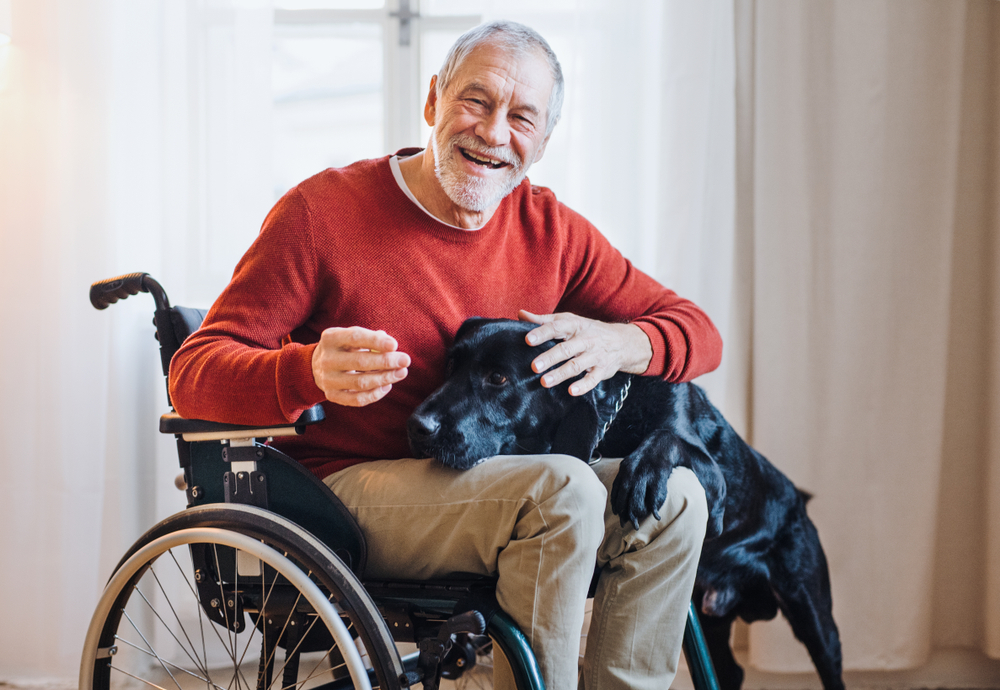
Loneliness is one of the most serious health risks facing older adults today. It is not just uncomfortable — it is linked to cognitive decline, depression, weakened immune function, and a shorter life. And it can take hold quietly, especially when your loved one is no longer driving, working, or filling their days with the routines that used to keep them connected. Pets for seniors are not a cure, but the evidence behind them is hard to ignore. Companion animals have been shown to lower blood pressure, reduce anxiety, lift mood, and give older adults a reason to move, engage, and feel needed. For many families, the question is not whether animals help — it is whether a pet is truly the right fit for their loved one right now.
This article walks through the real benefits of animal therapy, the honest challenges of pet ownership in later life, and a practical framework for making a thoughtful decision.
What Animal Therapy Actually Does for Older Adults
Animal therapy — sometimes called pet therapy or animal-assisted therapy — uses trained animals in structured settings to support physical, emotional, and cognitive health. But the benefits of regular companion animals extend well beyond formal therapy programs.
Here is what research and clinical experience consistently show:
- Reduced loneliness and isolation
- Lower stress and blood pressure
- Improved mood and reduced depression
- Increased physical activity
- Cognitive engagement
- A restored sense of purpose
The Honest Case for Senior Responsibility
Senior responsibility around pet ownership is a real consideration — and it deserves an honest conversation rather than a dismissive one.
Owning a pet is not without demands. Dogs need daily walks, which can be difficult for someone with limited mobility. Cats need their litter boxes changed. All animals need feeding, veterinary care, and attention. If your loved one’s health declines, the question of what happens to the pet becomes urgent and emotionally painful.
Before moving forward, consider these questions:
- Can your loved one physically manage basic pet care on most days?
- Is there a financial plan for veterinary costs, food, and supplies?
- What happens if your loved one is hospitalized or no longer able to care for the pet?
- Does your loved one actually want a pet, or is this an idea the family is more excited about than they are?
These are not reasons to say no. There are reasons to plan carefully so the arrangement supports your loved one rather than adds a burden.
Choosing the Right Companion Animal
Not every pet is the right match for every person. The best companion animals for older adults tend to be lower-maintenance, calm-natured, and sized appropriately for the living space.
Dogs
A small, gentle, lower-energy dog can be a wonderful companion. Breeds like Cavalier King Charles Spaniels, Shih Tzus, and Bichon Frises tend to do well in calmer households. Adopting an older dog — rather than a puppy — often means a calmer temperament and less training demand. If daily walks are a concern, a dog walker or caregiver can fill the gap.
Cats
Cats are often the most practical choice for seniors with limited mobility. They are independent, affectionate on their own terms, and do not require outdoor time. An adult cat from a shelter is usually a steadier, more predictable companion than a kitten.
Birds
For older adults who enjoy sound and movement but cannot manage a larger animal, birds like parakeets or cockatiels can provide genuine companionship. They are interactive, relatively low-maintenance, and can thrive in smaller spaces.
Fish
An aquarium may not offer the same tactile comfort as a dog or cat, but watching fish has been shown to reduce anxiety and lower blood pressure. For someone in a care situation where a larger pet is not feasible, a small aquarium is worth considering.
What Good Pet Care Looks Like With Support in Place
Good pet care in a senior household works best when it does not rest entirely on your loved one. A few structures that help:
- Build pet tasks into the daily routine
- Identify a backup caregiver
- Schedule regular veterinary appointments in advance
- Choose supplies that are easy to manage
Professional in-home caregivers can also play a meaningful role here. A caregiver who is present during part of the day can help with feeding, walks, litter, and the small tasks that keep both your loved one and their pet comfortable.
HouseCalls Home Care supports families navigating exactly these kinds of daily decisions. Our caregivers work alongside your loved one to maintain routines, manage household needs, and provide the consistent support that makes independent living — and pet ownership — genuinely sustainable. A pet will not solve every challenge your loved one faces. But for many older adults, a companion animal becomes one of the most meaningful parts of their day — a quiet constant that asks for care and gives back warmth, routine, and a reason to get up in the morning.
The decision deserves care. Think through the practical realities, choose the right animal, and build in the support your loved one needs to make it work. If your family is looking for in-home care that helps your loved one maintain their daily life — including caring for a beloved pet — HouseCalls Home Care is here. Reach out today, call 718-922-9200 or email info@housecallshc.org, to learn how our compassionate caregivers can support your loved one right where they are.


