

As the population ages, more families are choosing to care for their loved ones at home, allowing them to maintain independence and comfort. Structuring this care effectively requires a clear understanding of the priorities for at-home medical care for the elderly. It’s more than just providing companionship; it involves managing complex health needs, ensuring safety, and coordinating various services. A well-organized approach to at-home services for elderly care can prevent hospital readmissions and significantly improve an older adult’s quality of life. This guide outlines the essential priorities to focus on when arranging medical care in a home setting. Reach out today to learn more about how we can help you enhance your golden years.
Key Priorities for At-Home Services for Elderly Care
Successfully managing an older adult’s health at home hinges on several key areas. By focusing on these priorities, families and caregivers can create a supportive and safe environment that promotes well-being.
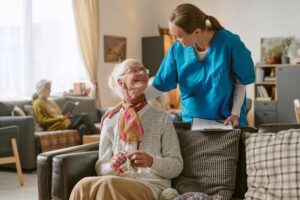
Comprehensive Medication Management
For many seniors, managing multiple prescriptions is a daily challenge. Polypharmacy, the use of multiple drugs, is common and increases the risk of adverse drug reactions and non-adherence.
Key Actions:
- Create a Master List: Maintain an updated list of all medications, including prescription drugs, over-the-counter medicines, and supplements. Note the dosage, frequency, and purpose of each.
- Use Pill Organizers: Weekly or monthly pill dispensers can prevent missed doses or accidental double-dosing.
- Regular Reviews: Schedule regular medication reviews with a pharmacist or primary care physician to identify potential interactions and simplify regimens where possible.
- Professional Help: Utilize professional home care services where aides can provide medication reminders to ensure adherence.
Fall Prevention and Home Safety
Falls are a leading cause of injury among older adults and can lead to a significant decline in independence. Creating a safe physical environment is a top priority.
- Clear Pathways: Remove clutter, secure loose rugs, and ensure electrical cords are not in walkways.
- Adequate Lighting: Install bright lighting in all rooms, hallways, and stairwells. Use nightlights to illuminate the path to the bathroom at night.
- Bathroom Modifications: Install grab bars in the shower and near the toilet. Use non-slip mats and a shower chair.
- Stair Safety: Ensure handrails are secure on both sides of any staircase.
Chronic Disease Management
Most seniors are managing at least one chronic condition, such as heart disease, diabetes, arthritis, or COPD. Effective at-home services for elderly care must include proactive management of these conditions.
Management Strategies:
- Regular Monitoring: Keep track of key health metrics like blood pressure, blood sugar levels, and weight.
- Educate on Symptoms: Ensure the senior and their caregivers can recognize the warning signs of a flare-up or complication.
- Coordinate with Professionals: This is where services like HouseCalls Home Care become invaluable. A visiting nurse or therapist can provide skilled care, monitor conditions, and communicate directly with the senior’s doctor, creating a cohesive care team.
Personal Care and Hygiene
Maintaining personal hygiene is essential for both physical health and dignity. As mobility or cognitive function declines, assistance with Activities of Daily Living (ADLs) becomes necessary.
Support Areas:
- Bathing and Grooming: Assistance with showering, dressing, and personal grooming helps prevent skin infections and promotes self-esteem.
- Nutrition and Hydration: Ensuring the senior eats nutritious meals and stays hydrated is crucial for energy levels and immune function. A home care aide can assist with meal preparation.
Social and Emotional Well-being
Medical care isn’t just about physical health. Loneliness and social isolation can lead to depression and a decline in overall health.
Fostering Connection:
- Encourage Social Engagement: Arrange for safe social visits with friends and family or participation in community activities.
- Provide Companionship: Professional caregivers offer more than just physical help; they provide conversation and companionship, which is a vital part of holistic care.
- Utilize Technology: Video calls with family can help seniors feel connected, even if they cannot leave home easily.
The Role of Professional Home Care
While family involvement is crucial, the complexities of elderly care often require professional support. Reputable home care services provide trained aides and skilled professionals to fill in the gaps. For more complex medical needs, specialized services like HouseCalls Home Care can bring doctors, nurses, and therapists directly to the patient, integrating seamlessly into the at-home care plan.
By focusing on these priorities for at-home medical care for the elderly, families can create a robust support system. This thoughtful approach ensures seniors not only receive the medical attention they need but also continue to live with dignity, safety, and a sense of purpose in the comfort of their own homes. Feel free to call HouseCalls Home Care at 718-922-9200 if you or a loved one requires compassionate and competent in-home care services. You can also send an email to us at info@HouseCallshc.org for more information. Our goal is to help you find the best support for your needs. Alternatively, you can register your information at https://yuz88hfiyh7.typeform.com/to/E5thuv5G?typeform-source=statics.teams.cdn.office.net, and we will get back to you.


