
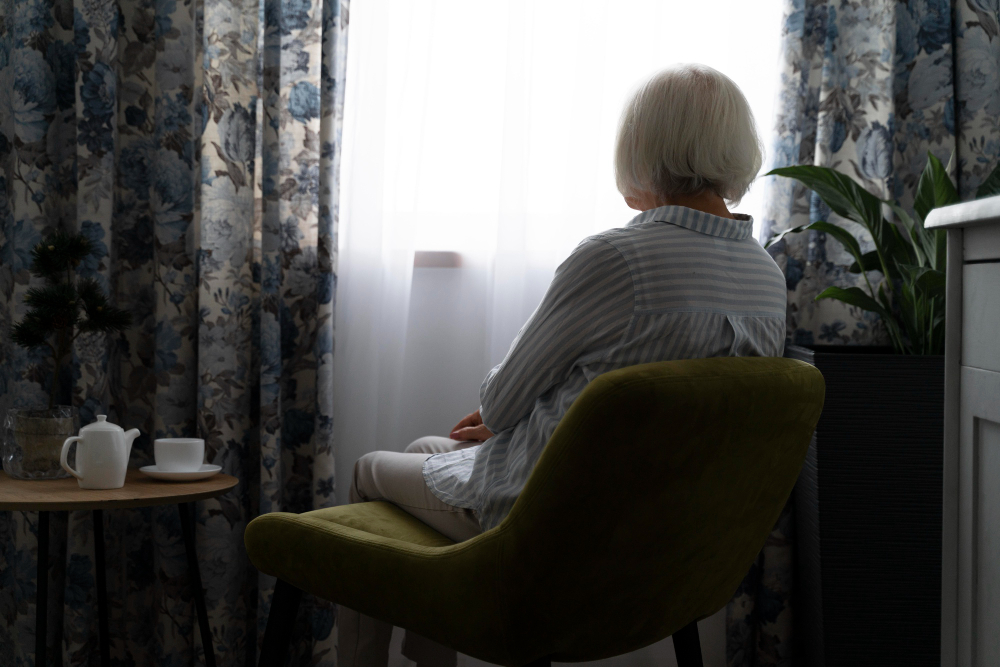
Loneliness is not just an emotional burden. Research shows that loneliness is worse for seniors than 15 cigarettes a day- a question worth taking seriously because the science is clear, and the stakes for your loved one are real. Chronic social isolation in older adults raises the risk of early death by 26%, rivaling the health damage caused by smoking. Housecalls home care and similar home care services are stepping in to help families address this quiet but urgent crisis.
How Loneliness Damages Senior Health: The Science Behind the Claim
The comparison to cigarettes is not an exaggeration. It comes from research by Brigham Young University psychologist Julianne Holt-Lunstad, whose 2015 meta-analysis of 70 studies and over 3.4 million participants found that social isolation increases mortality risk at a rate comparable to smoking 15 cigarettes per day.
Your loved one’s body responds to chronic loneliness much like it responds to long-term stress. Inflammation rises. Blood pressure climbs. The immune system weakens.
What Does Isolation Actually Do to the Body?
The effects reach far beyond sadness. According to the National Institute on Aging, lonely older adults face significantly higher risks of:
- Cognitive decline: Isolated seniors are more likely to develop dementia and Alzheimer’s disease
- Heart disease: Loneliness is linked to a 29% increased risk of coronary heart disease
- Depression: Persistent isolation is one of the strongest predictors of late-life depression
- Weakened immunity: The body’s ability to fight infection diminishes under chronic social stress
- Poor sleep: Lonely seniors sleep less deeply, which compounds every other health risk
These are not abstract statistics. They describe what can happen to a person you love when connection fades from daily life.
Why Loneliness Is Worse for Seniors Than for Other Age Groups
Older adults face a particular vulnerability. Retirement removes daily social contact. Mobility challenges make leaving the home harder. Friends and spouses pass away. Adult children live far from home.
The result is a shrinking world and a body that pays the price.
According to the U.S. Centers for Disease Control and Prevention (CDC), about one-third of adults aged 45 and older report feeling lonely, and nearly one-quarter of adults aged 65 and older are considered socially isolated. For seniors living alone or managing chronic illness, those numbers are even higher.
This is why understanding why loneliness is worse for seniors than 15 cigarettes a day matters so much. Families often focus on physical health, medications, mobility, and nutrition while the invisible wound of isolation goes unaddressed.
How Home Care Services Help Combat Senior Isolation
You may not be able to be present every day. That is a reality many families face, and it carries its own weight of guilt and worry. Home care services exist precisely to fill that gap — not as a replacement for family, but as a reliable, compassionate presence that keeps your loved one connected to daily life.
Housecalls home care providers do more than assist with physical tasks. A caregiver who visits regularly becomes a familiar, trusted face. Conversation happens. Routines are shared. Your loved one has someone to report the small moments of the day to — and that matters more than most people realize.
Meaningful home care services can support social wellbeing by:
- Providing consistent companionship: A regular caregiver creates routine and relationship
- Encouraging community connection: Caregivers can accompany seniors to social activities, faith communities, or local programs.
- Monitoring emotional health: Trained caregivers notice changes in mood and behavior early, before isolation deepens.
- Facilitating family contact: Caregivers can help seniors video call family members, reducing the distance that technology can otherwise feel intimidating.
Recognizing the Signs That Your Loved One Is Struggling
Loneliness does not always look like sadness. Your loved one may not say “I feel lonely.” More often, isolation shows up as withdrawal, irritability, a loss of interest in hobbies, or declining physical health with no clear medical explanation.
Watch for these signs:
- Reduced interest in activities they once enjoyed
- Increased confusion or memory lapses
- Changes in eating or sleeping habits
- Expressing feelings of being a burden
- Rarely leaving the home or having visitors
By identifying these signs early, you can take steps that protect both your loved one’s emotional health and their long-term physical well-being.
The Right Kind of Support Makes All the Difference
Caring for a lonely senior requires more than good intentions. It requires consistency, compassion, and presence, things that a dedicated caregiver can provide even on the days when family cannot be there.
The research is detailed. Social connection is not a comfort extra. It is a health necessity, as fundamental as medication or nutrition. Housecalls Home Care and professional home care services treat it that way.
Reach out to our Housecalls Home Care Team today by calling 718-922-9200 to learn how we can build a care plan that keeps your loved one healthy, connected, and supported. You do not have to navigate this alone.


