
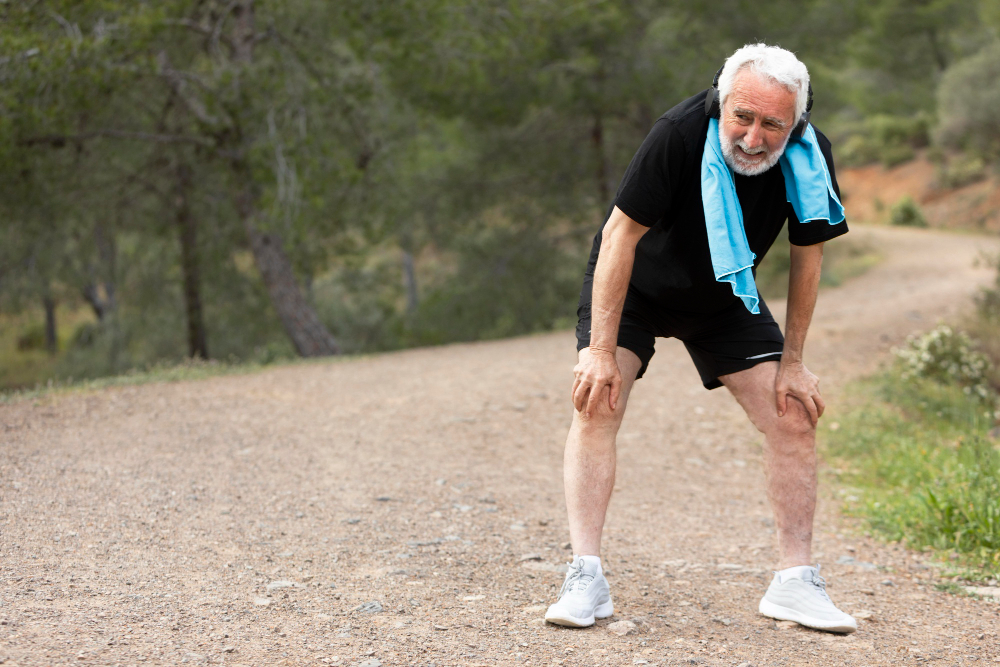
Prolonged sitting is one of the most damaging habits for knee joint health, yet most people overlook it entirely. Reducing sedentary time, combined with targeted movement and proper support, can provide meaningful relief from joint pain, especially for older adults managing daily discomfort at home.
Knee pain does not always come from a single injury or diagnosis. Sometimes, the most damaging thing you do to your joints happens quietly, every single day, without you even noticing. Prolonged sitting hours spent on the couch, in a recliner, or at a desk without moving is one of the most overlooked contributors to chronic knee joint deterioration. If your loved one is dealing with stiffness, swelling, or persistent discomfort, this habit may be making it significantly worse.
Understanding why this happens and what to do about it is the first step toward meaningful joint pain relief.
How Does Prolonged Sitting Damage Knee Joints?
Cartilage in the knee does not have its own blood supply. It relies on movement to absorb nutrients from the surrounding synovial fluid. When the knee stays bent and still for long periods, that fluid stops circulating, cartilage begins to dry out, and the joint stiffens.
According to the Arthritis Foundation, physical inactivity accelerates cartilage breakdown and increases inflammation in people with arthritis — one of the leading causes of knee pain in older adults. The longer the period of inactivity, the more pronounced the effects.
Your loved one may describe it as feeling “locked up” after sitting for a while, or noticing that the first few steps after resting are the most painful. That is not a coincidence. That is what happens when a joint has been deprived of movement for too long.
What Happens Inside the Knee During Extended Rest?
Several processes occur when sitting becomes the dominant daily posture:
- Fluid stagnation: Synovial fluid, which lubricates and nourishes the joint, stops circulating effectively
- Muscle weakening: The quadriceps and hamstrings, which stabilize the knee, lose tone without regular use
- Increased stiffness: Connective tissue around the joint tightens, reducing range of motion
- Heightened inflammation: Inactivity is linked to elevated inflammatory markers that worsen joint pain
These changes happen gradually. By the time pain becomes noticeable, the pattern has usually been in place for months or years.
What Can Actually Help with Joint Pain Relief at Home?
The goal is not to push through pain or commit to a gym routine. Small, consistent movement is what protects the knee joint over time.
Housecalls home care providers often work with patients to build gentle movement into daily routines, something sustainable that fits around existing limitations and health conditions.
Practical steps that support joint pain relief at home include:
- Breaking up sitting time: Standing or walking briefly every 30 to 45 minutes keeps fluid moving through the joint.
- Gentle range-of-motion exercises: Slow knee bends, seated leg lifts, and ankle circles help maintain mobility without strain.
- Warm compresses before activity: Warmth loosens the joint and reduces stiffness before movement begins.
- Supportive footwear: Proper arch support reduces the load placed on the knee with every step.
- Weight management: According to the CDC, every pound of body weight adds roughly four pounds of pressure on the knee joint.
Home care services can play an important role here. A caregiver who visits regularly can remind your loved one to move, assist with guided exercises, and monitor for signs that pain is worsening.
When Should You Seek Professional Support for Knee Joint Pain?
Pain that is mild and occasional is often manageable with lifestyle adjustments. But certain signs suggest that professional assessment is needed.
Reach out to a care provider if your loved one is experiencing:
- Swelling that does not reduce with rest or elevation
- Pain that wakes them at night
- Inability to bear weight on the affected leg
- A noticeable change in how they walk or move
- Knee pain that has persisted for more than a few weeks without improvement
Housecalls home care teams can coordinate with physicians to ensure that any underlying condition, whether osteoarthritis, bursitis, or post-surgical recovery, is being addressed alongside daily comfort measures.
Build a Routine That Protects Your Loved One’s Knees
Joint pain relief is rarely about one single treatment. It is about consistent, small actions that reduce strain on the knee over time. Catching and changing the habit of prolonged sitting is where many families see the most immediate difference.
You do not have to figure this out alone. Reach out to our Housecalls Home Care Team today by calling 718-922-9200 to learn how our home care services can support your loved one with a personalized care plan that addresses mobility, comfort, and long-term joint health. Compassionate, reliable help is closer than you think.


