
Long-distance caregiving is challenging, but the right tools and professional support can help you monitor a senior’s safety from 1,000 miles away. This guide covers practical strategies, smart technology, and when home care services can fill the gap when you cannot be there in person.
Being far from a loved one who needs care is one of the hardest situations a family can face. You worry about falls, missed medications, and whether they are eating and drinking enough. Long-distance caregiving is more common than many people realize, and learning how to monitor a senior’s safety from 1,000 miles away is a real concern for millions of families.
The good news is that practical solutions exist. With the right tools and support, you can stay informed and feel more at ease, even from a distance.
How to Monitor a Senior’s Safety from a Distance
Staying connected takes more than a weekly phone call. Here are concrete steps you can take.
Use Technology to Stay Informed
- Medical alert devices: Wearable devices let your loved one call for help with the press of a button if they fall or feel unwell.
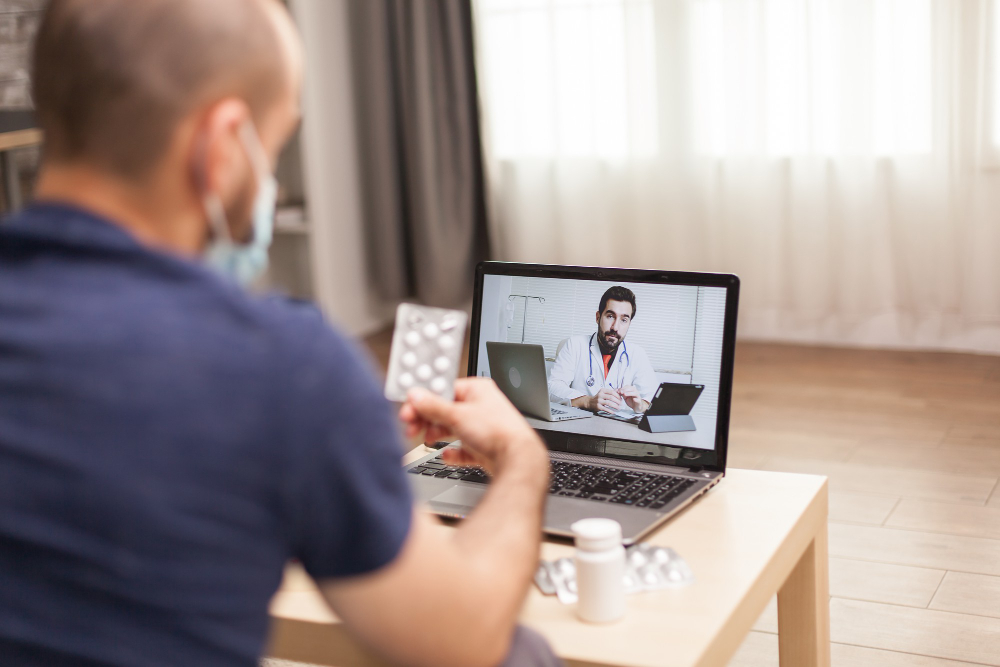
- Video check-ins: A simple tablet or smart display makes it easy to see your loved one’s condition during regular calls.
- Medication management apps: Automated pill dispensers and reminder apps reduce the risk of missed or doubled doses.
- Smart home sensors: Motion sensors and door alerts can notify you if daily routines change in ways that might signal a problem.
Build a Local Support Network
Technology helps, but it cannot replace human presence. Reach out to neighbors, friends, or members of your loved one’s faith community who can check in regularly. Keep an updated list of doctors, local emergency contacts, and pharmacy information. Share it with everyone involved.
Stay in the Loop with Care Providers
If your loved one sees healthcare providers regularly, ask to be included in care updates. Many providers will communicate with a designated family contact. Knowing what is happening medically gives you a clearer picture of your loved one’s overall safety.
How Home Care Services Support Long-Distance Caregivers
Home care services offer something technology and remote check-ins cannot: consistent, in-person presence.
A housecalls home care provider visits your loved one at home on a regular schedule. During each visit, a caregiver can check on physical well-being, assist with daily tasks, and notice early warning signs of health changes. That kind of consistent observation is difficult to replicate from afar.
Housecalls home care caregivers also give you a direct line of communication. Subtle changes, like reduced appetite, increased confusion, or unusual fatigue, are far more likely to be caught by someone who knows your loved one’s normal patterns.
When to Seek Professional Support
Some situations call for a higher level of help. Consider reaching out to a professional care provider if your loved one:
- Has experienced a recent fall or hospitalization
- Is managing a complex medication schedule alone
- Shows signs of confusion, memory loss, or behavioral changes
- Lives alone with limited local support
These are not signs of failure on your part. They are signs that your loved one’s needs have grown beyond what distance and technology can address alone.
You Do Not Have to Figure This Out Alone
Long-distance caregiving is genuinely hard. The distance does not reduce your responsibility; it just makes the logistics more complicated. With the right tools, a local support network, and professional care in place, you can protect your loved one’s safety without being physically present every day.
Reach out to our Housecalls Home Care Team today by calling 718-922-9200 to learn how our team can build a care plan that works, no matter how far away you are.


