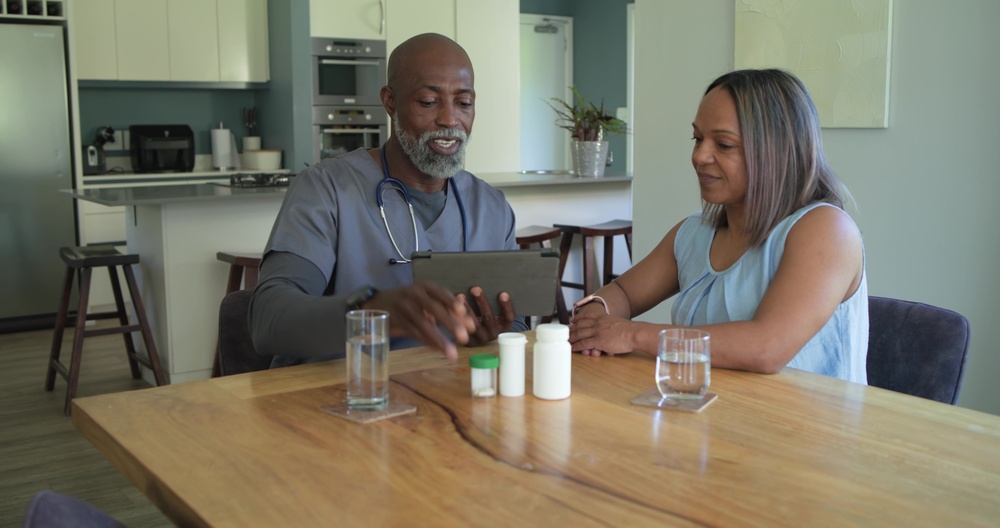
This home peritoneal dialysis guide covers what caregivers need to know to keep a senior loved one safe during kidney failure treatment at home. Caregiver safety tips for senior kidney failure include maintaining sterile technique, watching for infection signs, and organizing supplies. Housecalls Homecare supports families through every step of this process.
Caring for a senior loved one with kidney failure can feel overwhelming, especially when treatment moves from the hospital to your own living room. Home peritoneal dialysis offers comfort and independence, but it also places real responsibility on you as a caregiver. This home peritoneal dialysis guide walks through what the treatment involves and shares caregiver safety tips for senior kidney failure so you can feel confident supporting your loved one. You are not expected to become a medical expert overnight. With the right preparation and support, home dialysis can become a manageable part of daily life rather than a source of constant worry.
What Is Home Peritoneal Dialysis?
Peritoneal dialysis is a treatment that removes waste and extra fluid from the blood when the kidneys can no longer do this job effectively. Instead of traveling to a clinic, your loved one uses the lining of their own abdomen, called the peritoneum, to filter blood right at home. A soft tube called a catheter allows a cleansing fluid to flow in and out of the abdomen, drawing out toxins and excess fluid.
For seniors with kidney failure, this option often means fewer trips to a treatment center and more time in familiar surroundings. It also means caregivers play a direct role in helping the process run safely and smoothly every day.
Caregiver Safety Tips for Senior Kidney Failure
Supporting a loved one through home dialysis comes with a learning curve. These caregiver safety tips for senior kidney failure can help you protect your loved one while building your own confidence.
Maintaining Sterile Technique
Infection is one of the biggest risks with peritoneal dialysis. Every connection and disconnection of the catheter needs to happen in a clean, controlled environment. Wash your hands thoroughly before touching any equipment, wear a mask during exchanges if instructed by the care team, and keep the treatment area free of pets, dust, and clutter. A consistent routine reduces the chance of contamination and helps your loved one feel secure in the process.
Monitoring for Complications
Catch problems early by knowing what to watch for. Cloudy dialysis fluid, redness or swelling around the catheter site, fever, or stomach pain can all signal infection or another complication. Keep a simple daily log of your loved one’s symptoms and fluid appearance so you can spot changes quickly and share clear information with their care team.
Managing Supplies and Equipment
Running out of supplies mid-treatment creates unnecessary stress. Set up a dedicated, clean storage space for dialysis solutions, tubing, and dressings. Track expiration dates and reorder before stock runs low. Organized supplies mean one less thing to worry about during an already demanding routine.
How Housecalls Homecare Supports Peritoneal Dialysis at Home
You do not have to manage this process alone. Housecalls Homecare provides home care services that bring qualified medical professionals directly to your loved one, offering hands-on guidance with sterile technique, symptom monitoring, and supply management. Real-time visit tracking keeps your whole family informed, and medication management support helps reduce the risk of errors between visits.
Housecalls Homecare also assists with insurance processing, so you can focus on your loved one’s well-being instead of paperwork. Our home care services are built around flexibility, meeting your family’s schedule and needs as they change.
Moving Forward With Confidence and Support
Caring for a loved one through home peritoneal dialysis is demanding, but you do not have to carry it on your own. With the right routines, careful monitoring, and a trusted care partner, this treatment can become a steady, manageable part of life at home. Housecalls Home Care is ready to help your family build a safe, personalized plan for peritoneal dialysis care. Reach out today by calling 718-922-9200 to start the conversation.