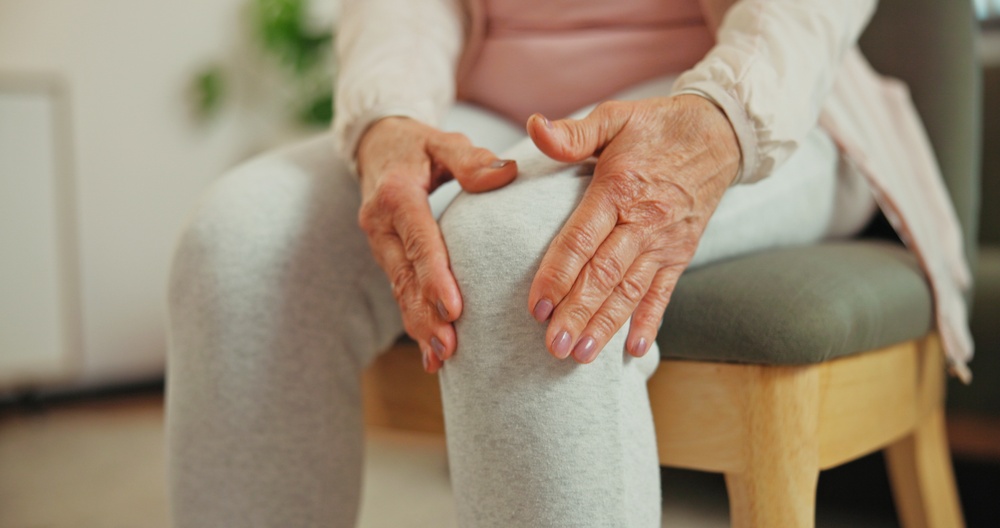
Senior joint pain flares can come from two very different conditions. Osteoarthritis causes gradual, achy stiffness that worsens with activity, while gout brings sudden, intense pain and swelling, often in one joint overnight. Distinguishing osteoarthritis from gout matters because treatment paths differ. Housecalls Homecare helps families get the right diagnosis and ongoing support at home.
A sore knee or swollen toe might seem like a small thing. But for an older adult, joint pain can signal something that needs real attention. Senior joint pain flares are common, and they can come from more than one source. Two of the most frequent culprits, osteoarthritis and gout, look similar on the surface but behave very differently underneath. Distinguishing osteoarthritis from gout early can mean faster relief and fewer complications down the road. This guide breaks down what to watch for, why it matters, and how to get your loved one the care they need without leaving the comfort of home.
What Causes Senior Joint Pain Flares?
Joint pain in older adults rarely has one single explanation. Years of wear, past injuries, and underlying health conditions all play a role. Two of the most common causes behind senior joint pain flares are osteoarthritis and gout, and each one calls for a different response.
Osteoarthritis: The Slow Wear and Tear
Osteoarthritis develops gradually as the cartilage cushioning the joints breaks down over time. Your loved one may notice stiffness in the morning that eases after moving around, or a dull ache that builds throughout the day. It typically affects weight-bearing joints like the knees, hips, and spine.
Gout: The Sudden, Sharp Attack
Gout is different. It strikes fast, often waking someone in the middle of the night with intense pain, redness, and swelling, usually in the big toe. It happens when uric acid builds up in the blood and forms sharp crystals in a joint. Unlike osteoarthritis, gout flares can come and go in days rather than building slowly over months.
Distinguishing Osteoarthritis from Gout at Home
Knowing the difference between these two conditions helps you respond appropriately and gives your loved one’s care team the information they need.
- Speed of onset: Osteoarthritis builds slowly over weeks or months. Gout flares appear suddenly, often within hours.
- Location: Osteoarthritis commonly affects knees, hips, and hands. Gout frequently targets the big toe, though it can appear in ankles and knees too.
- Appearance: Gout joints often look red, hot, and visibly swollen. Osteoarthritis joints may feel stiff but show less dramatic swelling.
- Pattern: Osteoarthritis pain is fairly constant and activity-related. Gout comes in flares, with periods of no symptoms in between.
If you are unsure which condition your loved one is experiencing, a medical evaluation is the safest next step. Guessing can delay the right treatment.
How Housecalls Homecare Supports Senior Joint Pain Care
You do not have to manage joint pain flares alone or navigate confusing symptoms without guidance. Housecalls Homecare brings qualified medical professionals directly to your loved one, offering hands-on assessment, pain management support, and medication monitoring in the comfort of home. Our home care services help families track symptoms over time, so patterns become clear, and care teams can make informed decisions quickly.
Housecalls Homecare also assists with insurance processing, easing the administrative burden so you can focus on your loved one’s comfort. Whether the concern is a slow, aching joint or a sudden painful flare, our home care services are built to adapt to your family’s needs.
Moving Forward With Confidence
Senior joint pain flares can feel alarming, especially when you are not sure what is causing them. But with the right information and the right support, you can respond quickly and help your loved one find relief. Housecalls Home Care is ready to help your family build a personalized plan for joint pain care. Reach out today by calling 718-922-9200 to start the conversation.