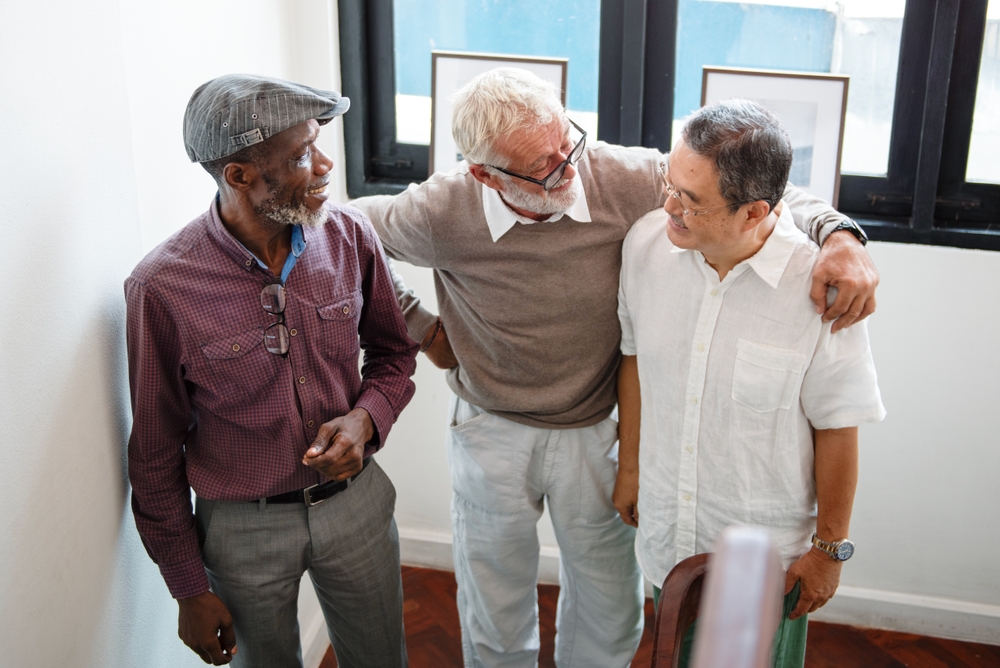
Aging brings wisdom and experience, but it also introduces new physical challenges. As our bodies change, the risk of developing chronic illnesses and acute conditions increases significantly. Understanding the common health conditions diagnosed in seniors is the first step toward prevention and effective management. Whether you are an older adult managing your own health or a caregiver looking out for a loved one, being aware of these potential issues is crucial. By recognizing the warning signs of common diagnoses for older adults, families can seek timely medical intervention and implement care plans that ensure a high quality of life. Reach out today to learn more about how we can help you enhance your golden years.
Chronic Conditions Affecting Daily Life
Chronic diseases are the leading drivers of healthcare costs and disability in the elderly population. These conditions often require long-term management and can significantly impact an individual’s independence.
Arthritis and Musculoskeletal Disorders
Arthritis is perhaps the most prevalent condition affecting seniors, leading to pain, swelling, and reduced mobility. Osteoarthritis, the “wear and tear” type, is particularly widespread.
- Impact: It limits the ability to perform daily tasks like walking, dressing, or cooking.
- Management: Treatment often involves physical therapy, pain management, and sometimes joint replacement surgery.
Cardiovascular Disease
Heart disease remains the leading cause of death for adults over 65. This category includes conditions like hypertension (high blood pressure), coronary artery disease, and heart failure.
- Prevention: Regular monitoring of blood pressure and cholesterol is essential.
- Care: Lifestyle changes, medication, and regular checkups are standard protocols.
Diabetes
Type 2 diabetes is a major concern for the elderly. It affects how the body processes blood sugar and can lead to serious complications if left unchecked, including vision loss, kidney disease, and nerve damage. Proper diet, exercise, and medication adherence are vital for control.
Cognitive and Neurological Health
While some memory changes are a normal part of aging, significant cognitive decline is not. Neurological conditions are among the most challenging common diagnoses for older adults due to their impact on personality and independence.
Alzheimer’s Disease and Dementia
Dementia is an umbrella term for a decline in mental ability severe enough to interfere with daily life, with Alzheimer’s disease being the most common cause.
- Signs: Memory loss, confusion, difficulty with language, and changes in behavior.
- Support: These conditions often require progressively intensive care, moving from occasional assistance to round-the-clock supervision.
Falls and Head Injuries
Falls are a major threat to senior health and can lead to severe consequences. Surprisingly, falls are the leading cause of traumatic brain injury (TBI) in older adults. A traumatic brain injury can happen from a slip in the bathroom or a trip over a rug. Unlike in younger people, symptoms of TBI in seniors might be mistaken for dementia, leading to delayed treatment. It is critical to monitor seniors closely after any fall, even if they seem fine initially.
The Role of Respiratory Health
Respiratory issues often compound other health problems, making breathing difficult and reducing energy levels.
COPD and Pneumonia
Chronic Obstructive Pulmonary Disease (COPD) makes it hard to breathe and worsens over time. Additionally, seniors are more susceptible to pneumonia due to weakened immune systems.
- COPD: Often linked to a history of smoking, but can also result from long-term exposure to lung irritants.
- Pneumonia: Can be life-threatening for seniors; vaccines are a key preventive measure.
Managing Health at Home
Managing these complex conditions often requires professional support. Many families find that bringing care directly to the senior is the most effective solution.
Benefits of In-Home Care
Services like Housecalls Home Care provide a bridge between hospital visits and independent living. By having healthcare professionals visit the home, seniors can receive monitoring and treatment without the stress of transportation. Housecalls Home Care providers can assist with medication management, wound care, and monitoring vital signs, which is especially helpful for patients juggling multiple chronic conditions.
Furthermore, in-home care professionals are trained to spot hazards that could lead to a traumatic brain injury or other accidents. They can recommend safety modifications, such as installing grab bars or improving lighting, to create a safer living environment.
Navigating the landscape of common health conditions diagnosed in seniors can feel overwhelming, but knowledge is power. From managing chronic arthritis to preventing a traumatic brain injury, early detection and consistent care are key. If you or a loved one is facing these challenges, remember that you don’t have to manage them alone. Utilizing services like Housecalls Home Care ensures that medical needs are met in the comfort and safety of the home.
Feel free to call HouseCalls Home Care at 718-922-9200 if you or a loved one requires compassionate and competent in-home care services. You can also send an email to us at info@HouseCallshc.org for more information. Our goal is to help you find the best support for your needs. Alternatively, you can register your information at https://yuz88hfiyh7.typeform.com/to/E5thuv5G?typeform-source=statics.teams.cdn.office.net, and we will get back to you.