The ability to express our thoughts, needs, and feelings is a fundamental human right. For individuals with conditions that impair speech, communication can become a source of profound frustration and isolation. Fortunately, technology and dedicated support programs can restore this vital connection. Accessing communication devices through NHTD to enhance independence is a key service offered by New York’s Nursing Home Transition and Diversion (NHTD) waiver program. This initiative empowers individuals by providing them with the tools and training needed to find their voice, advocate for themselves, and participate more fully in their lives. Reach out today to learn more about how we can help you enhance your golden years.
The Challenge of Communication Impairments
A wide range of medical conditions can affect an individual’s ability to speak. These include:
- Aphasia following a stroke or brain injury, which impacts the ability to find and form words.
- Dysarthria from conditions like cerebral palsy, Parkinson’s disease, or ALS, which weakens the muscles used for speech.
- Apraxia of speech, which makes it difficult to plan and coordinate the movements needed for clear speech.
Without effective ways to communicate, individuals may struggle to express pain, state preferences, connect with loved ones, or direct their own care, increasing their risk for institutionalization. The NHTD waiver program directly addresses this by funding essential communication technologies.
How Communication Devices Through NHTD Enhance Independence
The NHTD program can fund a spectrum of communication devices, often referred to as Augmentative and Alternative Communication (AAC). These tools are not one-size-fits-all; they are carefully selected to match the user’s physical and cognitive abilities. An assessment by a qualified Speech-Language Pathologist (SLP) is a critical first step.
Low-Tech AAC Solutions
For some individuals, simple, non-electronic tools are the most effective solution. These are often used as a starting point or as a backup for more complex systems. Examples include:
- Picture and Symbol Boards: Laminated boards with images, symbols, or words that a person can point to to express a need or idea (e.g., “I’m hungry,” “I need help,” “I feel pain”).
- Alphabet Boards: Simple letter boards that allow the user to spell out messages.
- Whiteboards: A small, portable whiteboard and marker can be a quick and effective way to write messages.
These low-tech options are valuable because they are durable, easy to use, and do not require power.
High-Tech AAC Devices
For many, high-tech devices offer a more robust and dynamic way to communicate. The NHTD program can help provide access to these powerful tools.
- Speech-Generating Devices (SGDs): These are dedicated electronic devices designed specifically for communication. Users can construct messages by selecting icons, pictures, or typing words, and the device then speaks the message aloud in a synthesized voice.
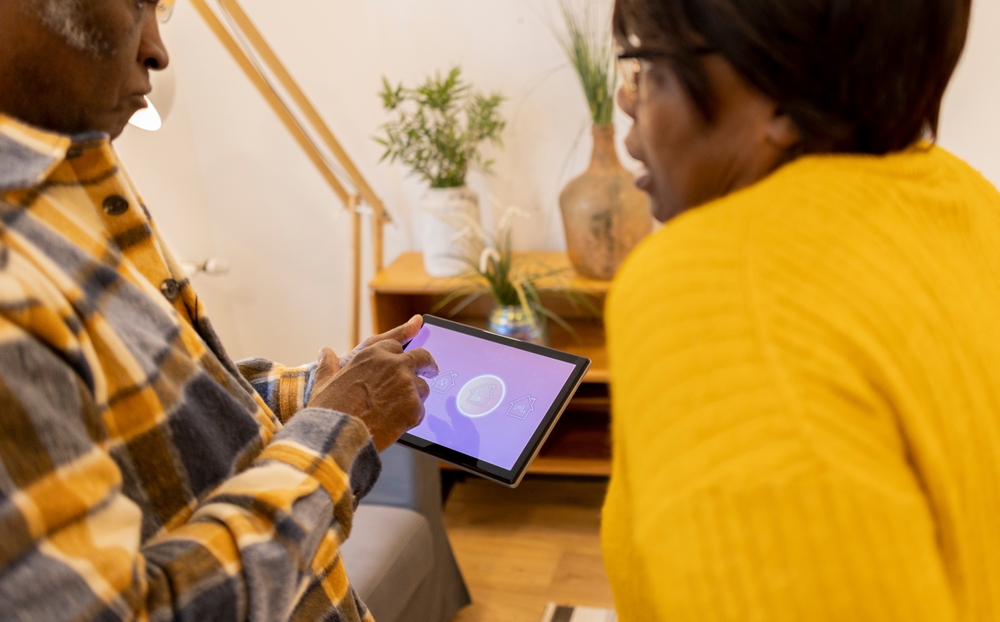
- Tablets with Communication Apps: Mainstream technology like iPads can be transformed into powerful AAC devices using specialized apps (e.g., Proloquo2Go, TouchChat). These apps offer extensive vocabularies and can be customized to the user’s needs.
- Eye-Gaze Technology: For individuals with severe physical limitations who cannot use their hands, eye-gaze systems offer a remarkable solution. A special camera tracks the user’s eye movements, allowing them to select letters or icons on a screen simply by looking at them.
The Process of Obtaining a Communication Device Through NHTD
Accessing these life-changing tools involves a clear, person-centered process within the NHTD waiver program.
- Enrollment and Assessment: An individual must be enrolled in the NHTD program. A Speech-Language Pathologist (SLP) then conducts a thorough AAC evaluation to determine the most suitable communication system based on the person’s motor skills, vision, cognitive abilities, and communication goals.
- Service Plan Justification: The SLP provides a report justifying the need for the specific device. This report is included in the participant’s service plan, outlining how the device will increase independence and help them avoid nursing home placement.
- Approval and Procurement: Once the service plan is approved, the service coordinator assists the participant in obtaining the device from a qualified vendor.
- Training and Support: Receiving the device is just the beginning. The NHTD program also funds the necessary training from the SLP for both the individual and their caregivers to ensure everyone knows how to use, program, and maintain the technology effectively.
Giving a Voice to Those Who Need It Most
Losing the ability to speak does not mean losing your voice. With the right tools and support, individuals with communication impairments can continue to lead self-directed lives, maintain relationships, and stay safely in their own homes. By providing communication devices through NHTD to enhance independence, the program reaffirms its commitment to empowering people with disabilities.
If you or someone you know is facing communication challenges and is at risk of institutionalization, it is crucial to explore the support available. Contact your Local Department of Social Services or a Regional Resource Development Center (RRDC) to learn more about the NHTD program and how it can help you find your voice.
Feel free to call HouseCalls Home Care at 718-922-9200 if you or a loved one requires compassionate and competent in-home care services. You can also send an email to us at info@HouseCallshc.org for more information. Our goal is to help you find the best support for your needs. Alternatively, you can register your information at https://yuz88hfiyh7.typeform.com/to/E5thuv5G?typeform-source=statics.teams.cdn.office.net, and we will get back to you.