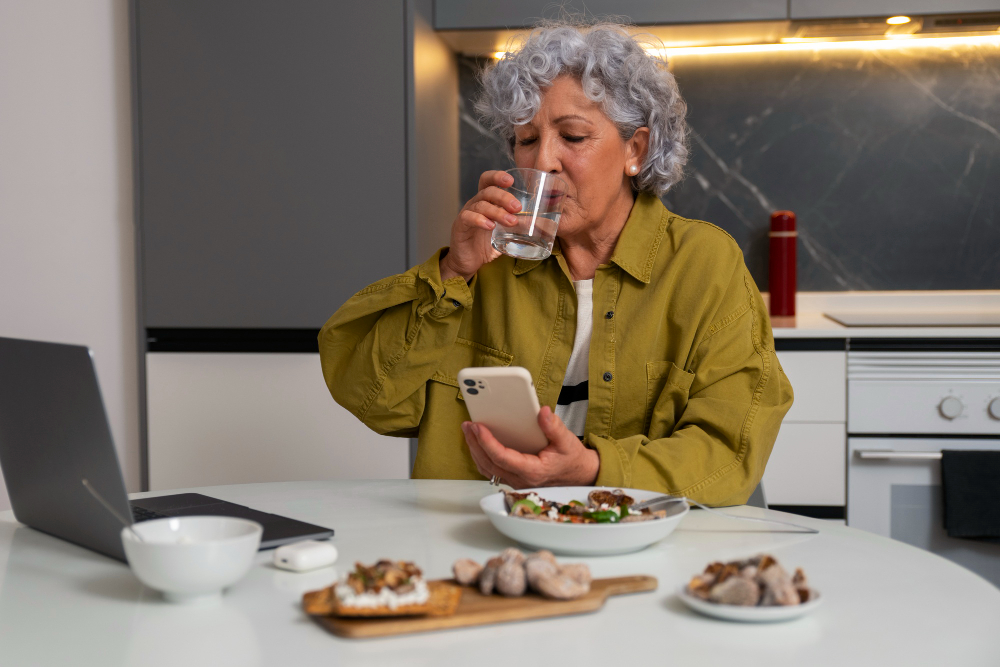
Geriatric nutritional wasting happens when aging and illness cause an older adult to eat too little for too long. Implementing flavor enhancement and high-calorie micro-feeding protocols to counter senior anorexia can restore appetite and rebuild strength. Housecalls homecare professionals bring these strategies directly into your loved one’s kitchen, with guidance tailored to their needs.
Watching a parent or spouse lose weight without explanation is frightening. You notice the clothes hanging looser, the plate going back to the kitchen half full, the energy fading a little more each week. This pattern has a name: geriatric nutritional wasting. It is common, it is serious, and it is treatable.
Implementing flavor enhancement and high-calorie micro-feeding protocols to counter senior anorexia has become one of the most effective ways families and clinicians address this decline. The approach works with your loved one’s body, not against it, by making food more appealing and more nourishing in smaller amounts.
What Is Geriatric Nutritional Wasting?
Geriatric nutritional wasting refers to the gradual loss of muscle mass, strength, and body weight that often accompanies aging, chronic illness, or extended recovery from surgery. It is closely linked to senior anorexia, a reduced desire to eat that can stem from medication side effects, diminished taste and smell, depression, or difficulty chewing and swallowing.
Left unaddressed, this wasting raises the risk of falls, infection, and hospital readmission. Recognizing it early gives your family the best chance to reverse course.
Implementing Flavor Enhancement and High-Calorie Micro-Feeding Protocols to Counter Senior Anorexia
Older adults often lose sensitivity to sweet and salty flavors first, which makes familiar meals taste bland or unappealing. Pairing flavor enhancement with frequent, calorie-dense small meals addresses both the appetite problem and the nutrition gap at the same time.
Flavor Enhancement Techniques
- Herbs and spices. Fresh herbs, citrus zest, and mild spices can wake up a dulled palate without added sodium.
- Umami boosters. Ingredients like aged cheese, mushrooms, and broths add savory depth that many seniors find easier to enjoy.
- Texture variety. Alternating creamy, crunchy, and smooth textures within a meal keeps eating interesting rather than repetitive.
High-Calorie Micro-Feeding Schedules
Instead of three large meals, offer five or six small servings throughout the day. This reduces the pressure of finishing a full plate while steadily increasing total intake.
- Fortified snacks. Add nut butter, full-fat dairy, or healthy oils to familiar foods to raise calorie density without raising portion size.
- Scheduled timing. Set gentle reminders every two to three hours rather than waiting for hunger cues that may no longer be reliable.
- Hydration pairing. Offer calorie-rich beverages like fortified smoothies alongside snacks to support both nutrition and fluid intake.
These adjustments take patience. Progress may be measured in ounces at first, but consistency builds real momentum over time.
How Housecalls Homecare Supports Nutritional Recovery
You do not have to manage this alone. Housecalls Homecare connects your family with trained professionals who can design and monitor a nutrition plan built around your loved one’s preferences and medical needs.
Quality home care services include regular weight checks, meal planning support, and coordination with physicians when adjustments are needed. Real-time visit tracking keeps you informed, even on days you cannot be there in person.
Taking the First Step Toward Better Nutrition
Nutritional decline does not have to be permanent. By implementing flavor enhancement and high-calorie micro-feeding protocols to counter senior anorexia, families can help a loved one regain strength and appetite in manageable, lasting steps.
Housecalls Home Care is ready to build a personalized nutrition plan for your family. Reach out today by calling 718-922-9200 to start the conversation.