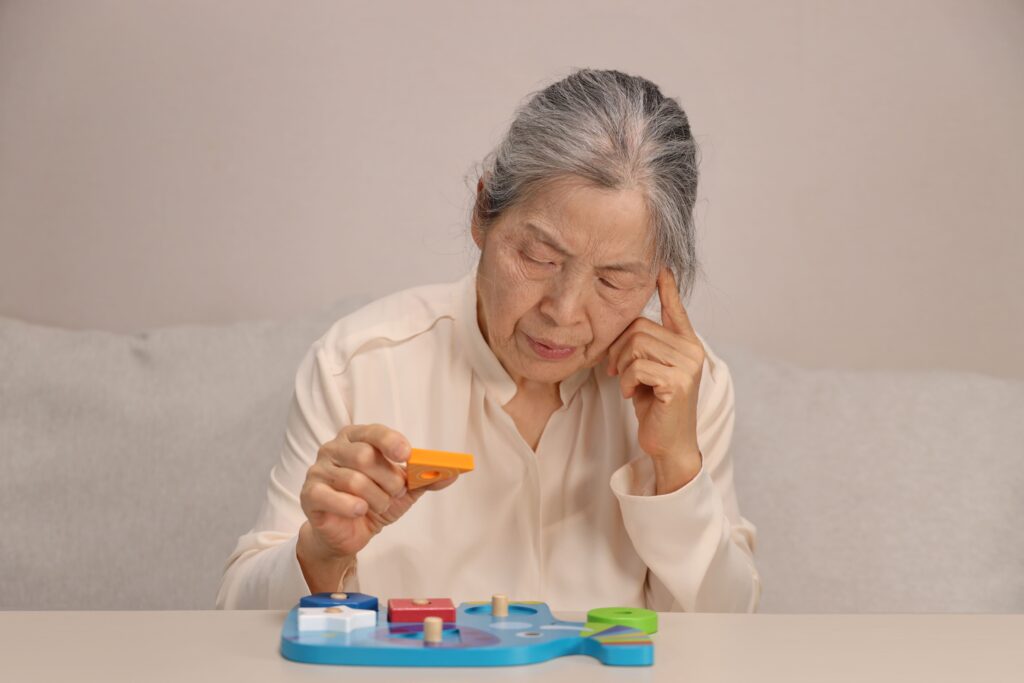
Alzheimer’s disease is often associated with obvious memory loss, like forgetting names or getting lost in familiar places. However, the early stages can be much more subtle. Many families miss the initial red flags, attributing them to “normal aging” until the condition has progressed significantly. Recognizing the hidden signs and symptoms of Alzheimer’s disease in the elderly is crucial for early intervention and effective management.
Watching a loved one change can be frightening, but knowledge is power. By understanding these subtle indicators and knowing exactly when to seek professional help for Alzheimer’s, you can ensure your family member receives the compassionate care they deserve. This guide explores those less obvious symptoms and discusses how professional support, including home care services, can make a difference. Reach out today to learn more about how we can help you enhance your golden years.
Hidden Signs and Symptoms of Alzheimer’s Disease in the Elderly

While memory lapses are the hallmark of the disease, Alzheimer’s affects the brain in complex ways that manifest in behavior, mood, and cognitive processing before severe memory loss sets in.
Subtle Behavioral Changes
One of the most overlooked signs is a shift in personality or mood. An elderly parent who was once social and outgoing might suddenly become withdrawn or apathetic. You might notice they stop participating in hobbies they used to love. This isn’t just “slowing down”; it can be a sign of cognitive decline.
- Depression and Anxiety: Early-stage Alzheimer’s often triggers anxiety or depression as the individual realizes they are struggling with cognitive tasks.
- Irritability: Sudden frustration or aggression when out of their comfort zone is common.
Difficulty with Abstract Thinking
It is not just about forgetting where the keys are; it is about forgetting what the keys do. The hidden signs and symptoms of Alzheimer’s disease in the elderly often include trouble with abstract concepts.
- Financial Struggles: You might notice unpaid bills piling up or difficulty balancing a checkbook that they managed perfectly for decades.
- Time and Place Confusion: Losing track of dates, seasons, or the passage of time is a significant warning sign.
Visual and Spatial Issues
Vision problems in Alzheimer’s patients aren’t always about eye health. The brain may struggle to interpret what the eyes see. This can lead to difficulty reading, judging distances, or determining color or contrast, which can be dangerous when driving.
When to Seek Professional Help for Alzheimer’s
Knowing when to seek professional help for Alzheimer’s is often the hardest part for families. There is a fine line between supporting independence and neglecting safety. If you notice the signs mentioned above disrupting daily life, it is time to consult a doctor.
Safety Concerns
If a senior is leaving the stove on, wandering away from home, or struggling to manage medications, immediate intervention is necessary. Professional Housecalls home care providers can perform safety assessments to prevent accidents before they happen.
Caregiver Burnout
When the demands of caregiving exceed what family members can provide without sacrificing their own health, it is time to bring in help. Professional caregivers can step in to provide respite and specialized support.
How Home Care Services Can Support Families
Receiving a diagnosis does not mean an immediate move to a facility. Many seniors thrive with home care services that allow them to remain in familiar surroundings.
Routine and Stability
Alzheimer’s patients rely heavily on routine. Housecalls home care staff are trained to maintain a consistent daily schedule, which reduces anxiety and confusion for the patient.
Specialized Dementia Care
Professional caregivers understand the nuances of the disease. They know how to handle sundowning (agitation in the late afternoon), manage wandering risks, and use validation therapy to communicate effectively with confused seniors.
Activities of Daily Living (ADLs)
As the disease progresses, physical tasks become harder. Home care services assist with bathing, dressing, and grooming, ensuring the senior maintains their dignity and hygiene.
Detecting the hidden signs and symptoms of Alzheimer’s disease in the elderly early can dramatically change the trajectory of care. It allows families to plan, prepare, and implement support systems before a crisis occurs. Understanding when to seek professional help for Alzheimer’s is equally vital—it ensures safety and quality of life for your loved one.
If you suspect a loved one is showing these signs, do not wait. Consult with a medical professional and consider how Housecalls Home Care can provide the specialized, compassionate support your family needs during this transition. Feel free to call HouseCalls Home Care at 718-922-9200 if you or a loved one requires compassionate and competent home care services. You can also send an email to us at info@HouseCallshc.org for more information. Our goal is to help you find the best support for your needs. Alternatively, you can register your information at https://yuz88hfiyh7.typeform.com/to/E5thuv5G?typeform-source=statics.teams.cdn.office.net, and we will get back to you.