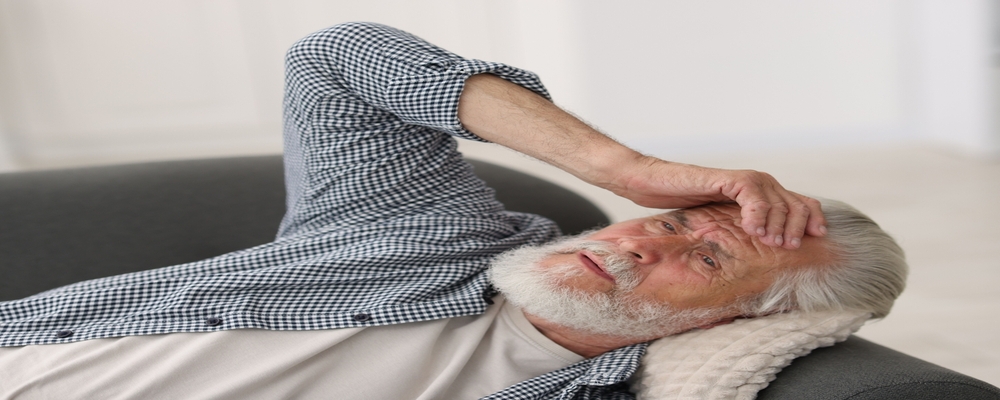
A fall in the bathroom or a slip on an icy sidewalk might seem like a minor accident. For younger people, a bump on the head often results in a quick recovery. However, the scenario changes drastically as we age. The hidden dangers of mild TBI in older adults are frequently overlooked, often mistaken for normal signs of aging like forgetfulness or fatigue.
Unfortunately, ignoring these signs can lead to serious health declines. Because the brain shrinks slightly with age, there is more room for it to move inside the skull during an impact, increasing the risk of tearing delicate veins. Understanding the long-term effects of concussion in the elderly is crucial for caregivers and family members who want to protect their loved ones from preventable decline. Reach out today to learn more about how we can help you enhance your golden years.
Recognizing the Long-Term Effects of Concussion in the Elderly
It is easy to assume that if there was no loss of consciousness, the injury isn’t serious. This is a dangerous myth. The long-term effects of a concussion in the elderly can manifest days or even weeks after the initial incident. Unlike younger patients, older adults may not complain of a headache. Instead, symptoms often present as behavioral or cognitive changes.
Subtle Warning Signs
Family members should watch closely for these less obvious indicators:
- Confusion or agitation: Sudden changes in mood or personality.
- Balance issues: Increased clumsiness or fear of walking.
- Sleep disturbances: Sleeping much more or less than usual.
- Withdrawal: A lack of interest in social activities they once enjoyed.
If these signs appear after a fall, it is not just “getting old”—it could be a brain injury requiring immediate attention.
The Critical Role of TBI Management
Once a brain injury is identified, effective TBI management becomes the priority. Treating older adults requires a specialized approach because they often have pre-existing conditions or take medications, like blood thinners, that complicate recovery.
Medication Review
A key component of TBI management in seniors is reviewing current prescriptions. Blood thinners (anticoagulants) can increase the risk of internal bleeding in the brain after even a minor bump. A doctor must evaluate whether it is safe to continue these medications during recovery.
Environmental Safety
Recovery isn’t just about medicine; it’s about the environment. Proper TBI management involves modifying the home to prevent future falls.
- Remove trip hazards: Secure loose rugs and declutter walkways.
- Improve lighting: Ensure hallways and bathrooms are bright.
- Install grab bars: Add support in bathrooms and near stairs.
Support Systems: The NHTD TBI Waiver
For families managing severe or progressing cases, standard care might not be enough. Navigating the healthcare system can be overwhelming, but resources like the NHTD TBI (Nursing Home Transition and Diversion) waiver can provide a lifeline.
The NHTD TBI program is designed to help seniors with traumatic brain injuries remain in their own homes rather than moving into a nursing facility. It acknowledges that healing is often most effective in a familiar, comfortable environment.
Benefits of the NHTD TBI Waiver:
- Service Coordination: Professional help to organize medical appointments and care plans.
- Home Community Support Services (HCSS): Assistance with daily living tasks like cooking and dressing.
- Respite Care: Temporary relief for primary caregivers to prevent burnout.
Accessing the NHTD TBI waiver ensures that older adults receive the comprehensive care they need without sacrificing their independence or dignity.
The hidden dangers of mild TBI in older adults are real and require vigilance. A simple fall should never be dismissed without proper evaluation. By understanding the long-term effects of concussion in the elderly, families can act quickly to prevent further damage. Whether it involves modifying the home environment or applying for support through the NHTD TBI waiver, taking proactive steps today can preserve quality of life for years to come.
If a loved one has suffered a fall, do not wait. Schedule a medical evaluation immediately. Feel free to call HouseCalls Home Care at 718-922-9200 if you or a loved one requires compassionate and competent home care services. You can also send an email to us at info@HouseCallshc.org for more information. Our goal is to help you find the best support for your needs. Alternatively, you can register your information at https://yuz88hfiyh7.typeform.com/to/E5thuv5G?typeform-source=statics.teams.cdn.office.net, and we will get back to you.