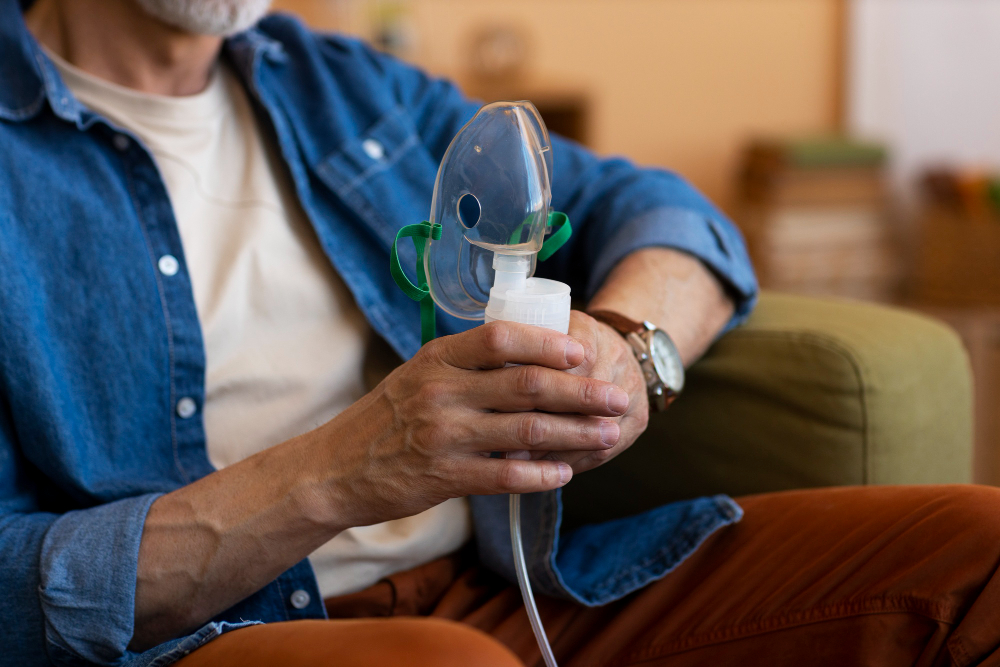
Home oxygen therapy safety depends on three things: proper equipment handling, a hazard-free home environment, and close monitoring of your loved one’s breathing. These vital precautions for caregivers managing senior respiratory equipment reduce fire risk, prevent equipment failure, and keep oxygen levels stable. Housecalls homecare professionals can guide your family through every step.
Learning that a parent or spouse needs oxygen therapy at home can feel overwhelming. You are suddenly responsible for tubing, tanks, flow settings, and a whole new vocabulary of medical terms. That worry is normal, and you are not expected to figure it out alone.
Home oxygen therapy safety is manageable once you understand the core precautions. With the right habits in place, you can protect your loved one and keep your household running smoothly, even with medical equipment as part of daily life.
Why Home Oxygen Therapy Safety Matters for Families
Oxygen supports breathing, but it also supports fire. Concentrated oxygen makes flames burn faster and hotter, which is why even small lapses, like smoking near a tank, can turn dangerous quickly.
This is not meant to frighten you. It is meant to show why the vital precautions for caregivers managing senior respiratory equipment exist in the first place. Once you understand the why, the daily routine becomes far less intimidating.
What Are the Most Important Precautions for Caregivers Managing Senior Respiratory Equipment?
Keep Oxygen Sources Away from Heat and Flame
Oxygen equipment should stay at least ten feet from open flames, candles, gas stoves, and lit cigarettes. Oil-based lotions and petroleum products can also ignite near an active oxygen source, so keep those out of reach during use.
Store and Transport Tanks Correctly
- Upright storage. Keep tanks standing and secured so they cannot tip or roll.
- Cool, ventilated space. Avoid closets, trunks, or anywhere heat can build up.
- Careful transport. Secure tanks in a cart or holder designed for oxygen equipment rather than loose on a car seat.
Check Equipment Daily
Inspect tubing for cracks, kinks, or leaks. Confirm the flow rate matches what the doctor prescribed. A small daily check can catch a problem before it becomes an emergency.
Watch for Warning Signs
Bluish lips or fingertips, confusion, and unusual shortness of breath all signal that oxygen levels may be too low. Contact your loved one’s physician right away if you notice these changes.
How Can You Make the Home Safer for Oxygen Therapy?
A few household adjustments go a long way toward home oxygen therapy safety:
- Post “No Smoking, Oxygen in Use” signs near entrances.
- Install working smoke detectors in every room with equipment.
- Keep walkways clear of tubing to prevent falls.
- Have a backup oxygen supply ready in case of power outages.
Whether your loved one uses a concentrator, portable tank, or liquid oxygen system, these habits apply across the board.
How Housecalls Homecare Supports Safe Oxygen Therapy at Home
You do not have to manage this alone. Housecalls Homecare connects families with trained professionals who understand the vital precautions for caregivers managing senior respiratory equipment and can walk you through them in your own home.
Quality home care services include equipment checks, caregiver training, and coordination with your loved one’s physician when adjustments are needed. Real-time visit tracking keeps you informed, even on days you cannot be there in person. These home care services exist so your family can feel confident, not overwhelmed.
Taking the Next Step Toward Safer Care at Home
Home oxygen therapy safety does not have to rest entirely on your shoulders. With clear precautions and the right support, you can protect your loved one while keeping daily life steady and manageable.
Housecalls Home Care is ready to help your family build a safe, personalized oxygen therapy routine. Reach out today by calling 718-922-9200 to start the conversation.