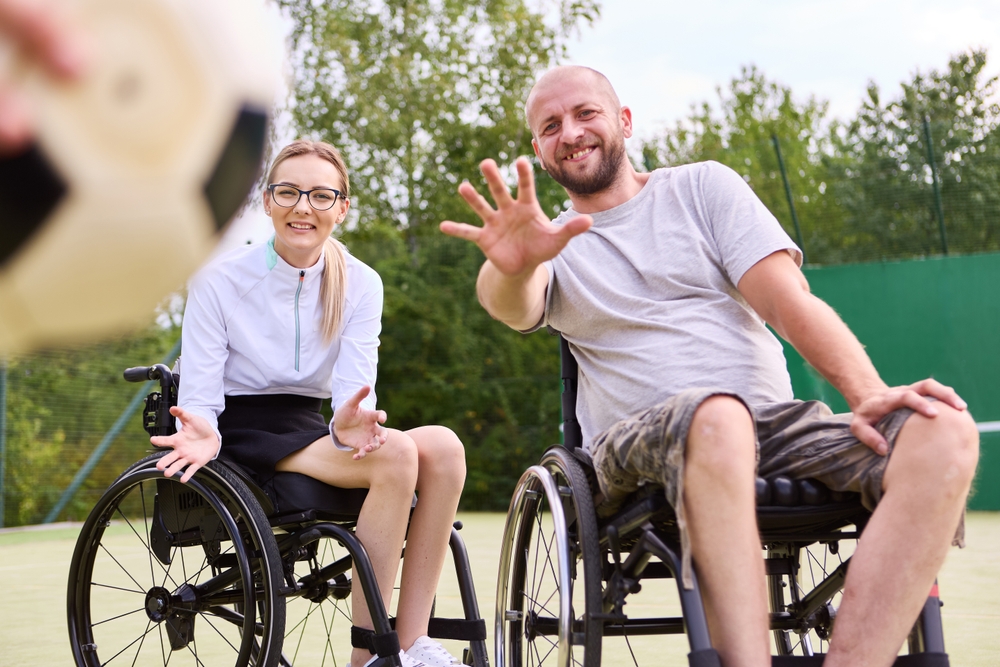
A paraplegia diagnosis marks the beginning of a new chapter, one focused on adaptation, resilience, and reclaiming independence. While adjusting to changes in mobility presents significant challenges, the future for individuals with paraplegia is brighter than ever. A combination of targeted therapy and technology to support mobility and independence after paraplegia has revolutionized what is possible. These advancements, coupled with robust support systems, empower individuals to lead active, engaging, and self-sufficient lives. Understanding these resources is the first step toward building a new sense of normalcy and pursuing personal goals with confidence. Reach out today to learn more about how we can help you enhance your golden years.
Therapy and Technology to Support Mobility and Independence After Paraplegia
Modern rehabilitation integrates specialized therapies with cutting-edge technology. This powerful combination helps individuals regain function, adapt to new ways of doing things, and interact with their world more freely. The goal is not just to manage the condition but to enhance the overall quality of life.
The Role of Specialized Therapy
Physical and occupational therapies are the cornerstones of recovery and adaptation. They form a personalized plan to maximize physical capabilities and relearn essential daily skills.
- Physical Therapy (PT): PT focuses on building and maintaining strength, improving balance, and preventing secondary health issues like muscle contractures or poor circulation. Therapists may use techniques like guided exercise, stretching, and gait training with supportive devices.
- Occupational Therapy (OT): OT is centered on independence in daily living. Therapists help individuals master tasks such as dressing, cooking, and personal hygiene, often by teaching new techniques and introducing adaptive tools. These crucial therapies are increasingly accessible through flexible models like housecalls homecare, bringing expert care directly into the patient’s environment.
Breakthroughs in Assistive Technology
Technology has become a great equalizer, breaking down barriers that once limited mobility and independence. From simple aids to complex robotics, these tools are transformative.
- Mobility Devices: Wheelchairs have evolved significantly. Today’s lightweight manual chairs and advanced power chairs with custom controls offer unprecedented freedom. For some, robotic exoskeletons can even provide supported walking during therapeutic sessions.
- Home and Environmental Controls: Smart home technology allows individuals to manage lighting, thermostats, entertainment systems, and security with voice commands or a simple tap on a tablet. This gives users greater control over their personal space.
- Adaptive Driving and Recreation: Vehicle modifications, including hand controls, allow many people with paraplegia to drive independently. Likewise, adaptive sports equipment for activities like handcycling, skiing, and basketball opens up worlds of recreation and competition.
Building a Comprehensive Support Network
While therapy and technology are vital, they are most effective within a strong support system. This includes healthcare professionals, family, friends, and peers. Housecalls Homecare can play a key role, providing skilled assistance that complements therapeutic goals and supports daily routines. Furthermore, connecting with peer support groups provides invaluable emotional encouragement and practical advice from others with shared experiences.
Life after paraplegia is a journey of continuous adaptation. By harnessing the power of targeted therapy and innovative technology, individuals can significantly improve their mobility and independence. These tools, backed by a reliable support system, pave the way for a rich and self-directed life.
If you feel you need an extra layer of support, you are not alone. Contact the Housecalls Home Care Department to discover how their compassionate and skilled caregivers can help your loved one navigate the challenges of Paraplegia safely. Feel free to call HouseCalls Home Care at 718-922-9200 if you or a loved one requires compassionate and competent home care services. You can also send an email to us at info@HouseCallshc.org for more information. Our goal is to help you find the best support for your needs. Alternatively, you can register your information at https://yuz88hfiyh7.typeform.com/to/E5thuv5G?typeform-source=statics.teams.cdn.office.net, and we will get back to you.