Receiving a multiple sclerosis diagnosis is a pivotal moment that often brings a mix of emotions, from confusion to anxiety. It marks the beginning of a journey that requires patience, resilience, and a proactive approach to health. While MS is a chronic condition without a cure, modern medicine has made significant strides. Today, effective multiple sclerosis management allows many individuals to lead full, active lives despite the challenges.
Understanding the diagnostic process and the available treatment paths is the first step toward regaining control. This guide breaks down what you need to know about confirming the condition and creating a lifestyle plan that works for you. By arming yourself with knowledge, you can better advocate for your health needs. Reach out today to learn more about how we can help you enhance your golden years.
The Path to a Multiple Sclerosis Diagnosis
Diagnosing MS is rarely straightforward because there is no single test that can confirm it instantly. Instead, doctors must rule out other conditions that mimic the disease. This process of elimination is critical for an accurate multiple sclerosis diagnosis.
Diagnostic Tools and Tests
Neurologists typically use a combination of methods to identify the disease:
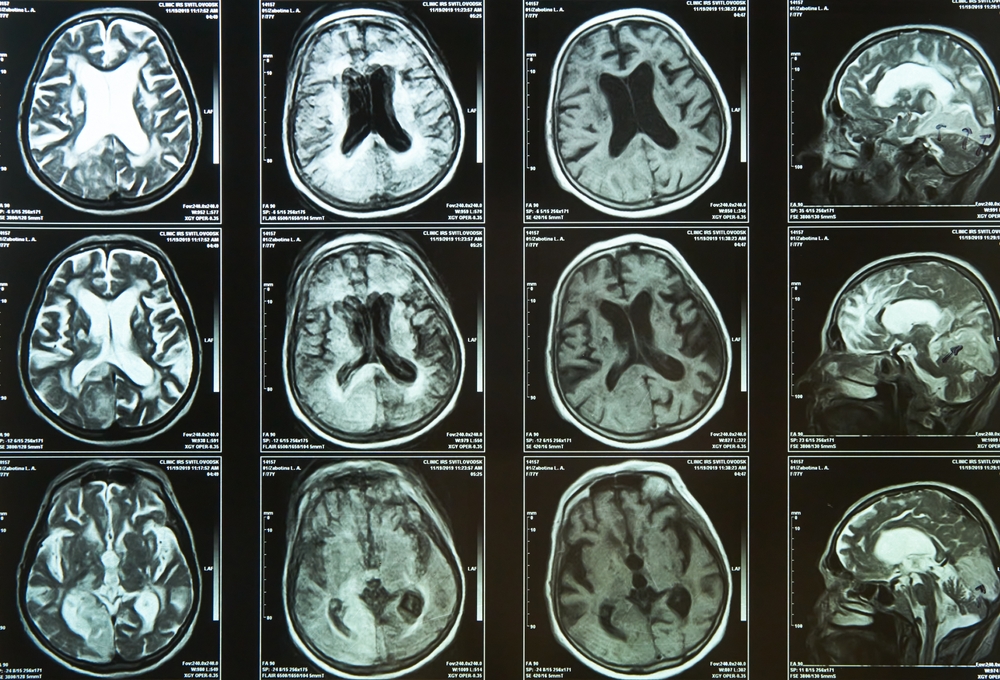
- MRI Scans: These reveal lesions or scarring on the brain and spinal cord, which are hallmark signs of MS.
- Lumbar Puncture (Spinal Tap): This tests the cerebrospinal fluid for specific antibodies associated with MS.
- Evoked Potential Tests: These measure the electrical activity in the brain to see how quickly nerve signals travel.
By combining these results with a detailed medical history, specialists can confirm the presence of the disease and determine its specific type.
Strategies for Effective Multiple Sclerosis Management
Once a diagnosis is confirmed, the focus shifts immediately to multiple sclerosis management. The goal is to modify the course of the disease, treat relapses, and manage symptoms. This often requires a multidisciplinary approach involving medication, therapy, and lifestyle changes.
Medical Treatments
Disease-modifying therapies (DMTs) are the standard of care. These medications help reduce the frequency and severity of attacks and can slow the progression of disability.
Lifestyle Modifications
Beyond medication, daily habits play a huge role. Regular exercise, a balanced diet, and stress management techniques are essential components of successful long-term care.
Support Services and Specialized Care
For some individuals, managing MS requires support that goes beyond standard medical visits. Just as TBI management (Traumatic Brain Injury) often requires a team of specialists to handle cognitive and physical rehabilitation, complex MS cases may need similar coordinated care efforts.
Home and Community-Based Services
In certain regions, programs like NHTD services (Nursing Home Transition and Diversion) are available. These services are designed to help individuals with disabilities—including severe MS—remain in their homes rather than moving to nursing facilities. Accessing NHTD services can provide vital support, such as:
- Service coordination
Whether you need help with daily activities or specialized equipment, these waivers can be a lifeline for families navigating complex health needs. Utilizing NHTD services ensures that care is tailored to the specific environment of the patient.
Navigating a multiple sclerosis diagnosis is a journey that changes over time. However, with the right medical team and a robust plan for multiple sclerosis management, you can maintain a high quality of life. Whether you rely on medication, lifestyle changes, or community support programs like NHTD services, remember that you do not have to face this alone.
Feel free to call HouseCalls Home Care at 718-922-9200 if you or a loved one requires compassionate and competent in-home care services. You can also send an email to us at info@HouseCallshc.org for more information. Our goal is to help you find the best support for your needs. Alternatively, you can register your information at https://yuz88hfiyh7.typeform.com/to/E5thuv5G?typeform-source=statics.teams.cdn.office.net, and we will get back to you.