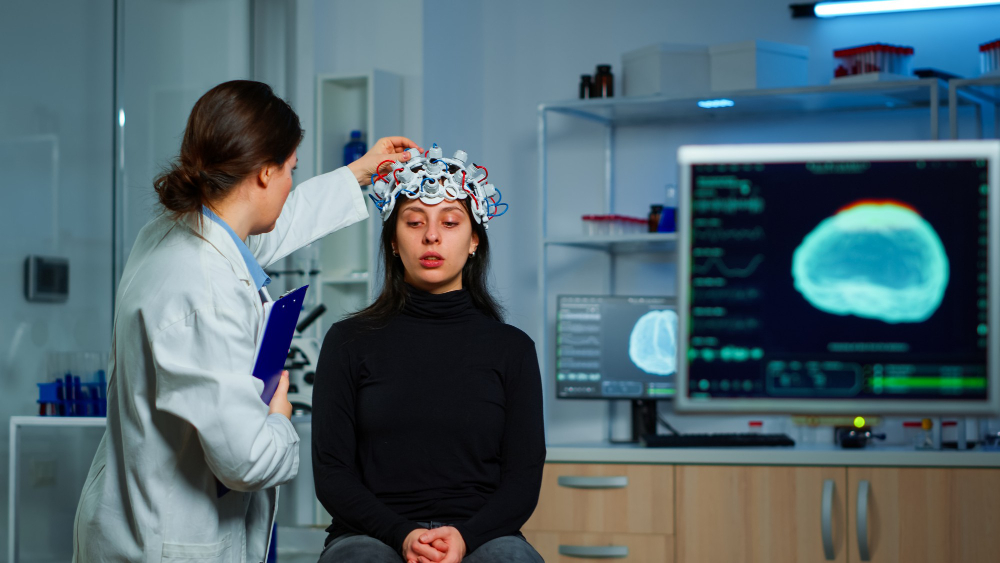
Neurological diagnostic mapping identifies where and how microvascular brain changes are affecting your loved one’s function. This information allows care teams to begin tailoring specialized in-home care systems to the specific progression of microvascular brain changes, rather than relying on generic care plans that may miss early warning signs.
Watching a parent forget familiar routines or struggle with balance can feel frightening, especially when doctors cannot immediately explain why. Often, these changes trace back to small, gradual shifts in blood flow within the brain. Neurological diagnostic mapping gives families and care providers a clearer picture of what is happening and why.
This guide explains what neurological diagnostic mapping involves, why microvascular brain changes require a personalized approach, and how tailoring specialized in-home care systems to the specific progression of microvascular brain changes can help your loved one stay safer and more comfortable at home.
What Is Neurological Diagnostic Mapping?
Neurological diagnostic mapping uses imaging and cognitive testing to pinpoint the exact regions of the brain affected by disease or injury. For older adults, this often reveals microvascular brain changes, small areas of damage caused by reduced blood flow through tiny blood vessels.
According to the National Institute on Aging, these changes are common with age and can contribute to memory lapses, slower thinking, and mobility issues. Mapping helps clinicians see the pattern of damage instead of guessing based on symptoms alone.
How Diagnostic Mapping Identifies Microvascular Brain Changes
Diagnostic mapping typically combines MRI scans with cognitive assessments. This combination shows clinicians:
- Location of damage: Which brain regions show reduced blood flow or small lesions.
- Severity of progression: Whether changes are mild, moderate, or advancing quickly.
- Functional impact: How the damage affects memory, movement, speech, or mood.
Why Microvascular Brain Changes Require Personalized In-Home Care Systems
No two brains age the same way. One person may struggle mainly with memory, while another faces balance and coordination challenges. This is why tailoring specialized in-home care systems to the specific progression of microvascular brain changes matters so much. A standard care plan built for general aging will not address the specific risks your loved one faces.
Building Care Around the Diagnostic Map
Once mapping results are available, care plans can be built around the actual pattern of change rather than assumptions. This might include:
- Adjusting home layouts to reduce fall risk if balance regions are affected.
- Introducing memory aids and routines if cognitive regions show more damage.
- Scheduling more frequent check-ins if progression appears rapid.
This targeted approach helps families and care providers act early, often before a crisis forces a decision.
How Housecalls Homecare Supports Families Through This Process
You do not have to interpret diagnostic reports or build a care plan alone. Housecalls Homecare works alongside families to translate neurological diagnostic mapping results into practical, day-to-day support. Their home care services are designed to adapt as microvascular brain changes progress, so your loved one always receives care matched to their current needs rather than a plan that quickly becomes outdated.
Families working with Housecalls Homecare also gain consistent communication from caregivers who understand the diagnostic details behind the care plan, reducing confusion and easing the emotional weight of managing a loved one’s changing health.
Taking the Next Step for Your Loved One’s Brain Health
Microvascular brain changes can feel overwhelming to navigate alone, but a clear diagnostic picture changes everything. With the right information, tailoring specialized in-home care systems to the specific progression of microvascular brain changes becomes possible, giving your loved one the safest, most supportive path forward.
Reach out to Housecalls Home Care today by calling 718-922-9200 to learn how personalized home care services can support your family through every stage of this journey.