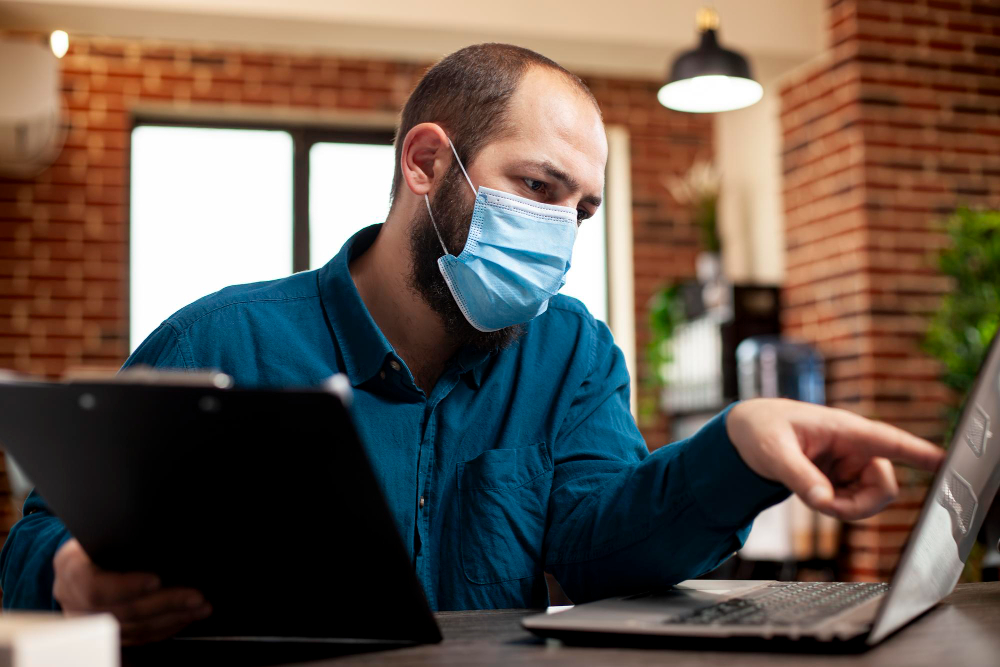
NY Medicaid phishing scams use fake health insurance emails to steal personal information from vulnerable seniors. Protecting vulnerable seniors from fake health insurance emails starts with recognizing urgent language, unfamiliar senders, and requests for Medicaid numbers. Pairing awareness with trusted home care services, like Housecalls Homecare, adds another layer of protection.
Your phone rings, or an email lands in your inbox, claiming to be from Medicaid. It asks for a Social Security number or payment to “keep coverage active.” For many families, this moment brings real fear. NY Medicaid phishing scams are on the rise, and seniors are frequent targets because they often live alone or manage their own correspondence. Protecting vulnerable seniors from fake health insurance emails requires knowing what these scams look like and having a plan in place. This guide walks you through the warning signs and the steps you can take today.
What Do NY Medicaid Phishing Scams Look Like?
Scammers design these emails to look official. They often copy real government logos and use language meant to create panic.
Common Red Flags in Fake Health Insurance Emails
- Urgent deadlines. Messages claiming your loved one will lose coverage within 24 hours.
- Requests for personal data. Legitimate Medicaid offices rarely ask for Social Security numbers by email.
- Suspicious links. Hovering over a link often reveals a web address that does not match any official New York State domain.
- Unexpected attachments. Files claiming to be “renewal forms” that actually carry malware.
Why Are Vulnerable Seniors Targeted?
Scammers assume older adults may be less familiar with phishing tactics or less likely to verify a message before responding. Isolation plays a role too. A senior without daily support nearby may not have anyone to ask, “Does this look right to you?”
This is where consistent oversight matters. Regular contact with a trusted person, whether a family member or a caregiver, can catch a scam before it causes harm.
How Can You Protect Your Loved One From These Scams?
You do not need to become a cybersecurity expert to keep your family safe. A few consistent habits go a long way.
- Verify directly. Call the New York State of Health hotline using the number on an official Medicaid card, not a number from the suspicious email.
- Never click unknown links. Type the official website address directly into a browser instead.
- Report suspicious messages. Forward phishing emails to the Federal Trade Commission and the NY Attorney General’s office.
- Talk about it regularly. A brief, calm conversation about new scam tactics keeps awareness fresh without causing alarm.
Where Does Home Care Support Fit In?
Daily support changes the picture entirely. When someone checks in regularly, a suspicious email gets a second set of eyes before any damage is done. Housecalls Homecare provides trained caregivers who help with daily routines, medication reminders, and general oversight that can catch warning signs early. Families working with home care services often feel more confident that a scam attempt will be noticed and addressed quickly, rather than discovered after the fact.
You Are Not Alone in This
Protecting vulnerable seniors from fake health insurance emails takes awareness, a support system, and a willingness to verify before trusting. Reach out to your local New York State Department of Health to confirm your loved one’s Medicaid status directly, and consider pairing that step with home care services from Housecalls Home Care today by calling 718-922-9200 to schedule a consultation for ongoing, reliable support.