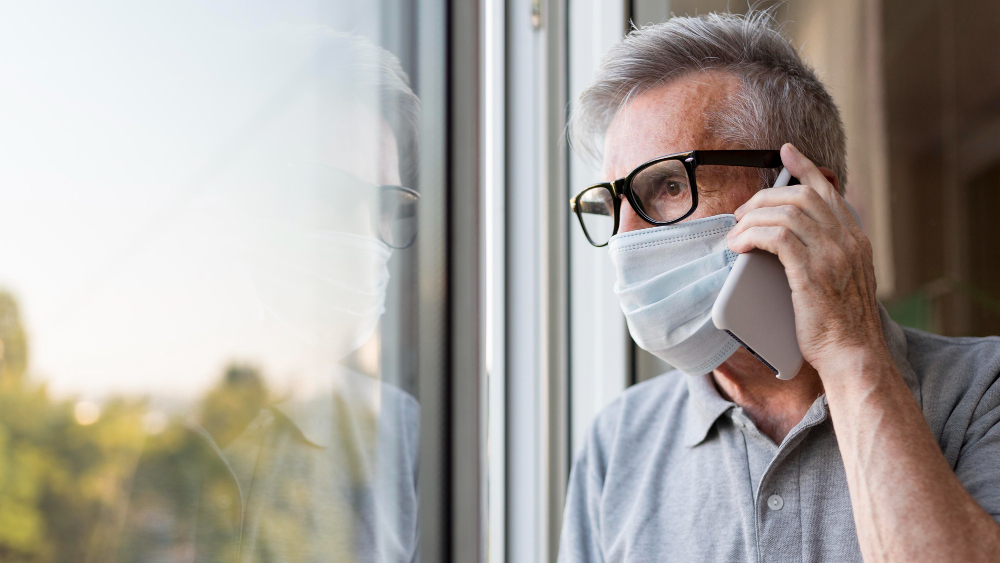
NYC air quality alerts warn residents when pollution levels, especially fine particulate matter and ground-level ozone, reach unhealthy thresholds. For homebound seniors with chronic lung disease like COPD or emphysema, these alerts matter because even short exposure to poor air can trigger breathing emergencies. Checking daily alerts, staying indoors on bad air days, and leaning on home care services for support can protect your loved one’s health.
Watching a parent or spouse struggle to breathe is frightening. When NYC air quality alerts flash across the news, that fear can spike, especially if your loved one rarely leaves home and already lives with a chronic lung condition. You are not alone in worrying about this, and there are clear, practical steps your family can take.
This guide explains what NYC air quality alerts mean, why homebound seniors with chronic lung disease face greater risk, and how home care services can help protect your loved one on days when the air outside turns dangerous.
What Do NYC Air Quality Alerts Actually Mean?
The New York City Department of Health and Mental Hygiene, along with the state Department of Environmental Conservation, issues air quality alerts when pollution levels are expected to reach unhealthy levels. These alerts typically focus on two pollutants:
- Fine particulate matter (PM2.5): Tiny particles from traffic, construction, and wildfire smoke that can lodge deep in the lungs.
- Ground-level ozone: A gas that forms on hot, sunny days and irritates airways, especially during summer months.
According to the U.S. Environmental Protection Agency’s Air Quality Index (AQI), a reading above 100 is considered unhealthy for sensitive groups, which includes older adults and anyone with a chronic lung condition. A reading above 150 is unhealthy for everyone.
Why Homebound Seniors with Chronic Lung Disease Face Greater Risk
Protecting homebound seniors with chronic lung disease during air quality alerts starts with understanding why their bodies respond differently. Conditions like chronic obstructive pulmonary disease (COPD), emphysema, and chronic bronchitis already narrow the airways and reduce lung capacity. Add polluted air to the mix, and the lungs have to work even harder.
Your loved one may not be able to simply leave the city or relocate indoors to cleaner air during an alert. Many homebound seniors also live in older buildings with limited air filtration, which means outdoor pollution can seep inside more easily than you might expect.
The result is a higher chance of flare-ups, emergency room visits, and hospital readmissions. The good news is that most of this risk can be managed with a few consistent habits.
Practical Steps to Protect Your Loved One
- Check alerts daily. Sign up for free NYC air quality notifications through NYC.gov or the AirNow app so you know before your loved one does.
- Keep windows closed on alert days. Use air conditioning or an air purifier with a HEPA filter instead of outdoor air.
- Review medication plans. Make sure rescue inhalers and prescribed medications are easily accessible and not expired.
- Limit outdoor errands. Reschedule non-urgent appointments or send a caregiver instead of having your loved one travel.
- Watch for warning signs. Increased coughing, shortness of breath, or fatigue can signal it is time to call a doctor.
How Home Care Services Support Families on High-Alert Days
You do not have to manage every alert and every symptom alone. Home care services bring trained support directly to your loved one, which matters most on the days outdoor air is least safe.
A home care services team can check vital signs, monitor oxygen levels, and help manage medication schedules so nothing is missed. Housecalls home care also means fewer reasons for your loved one to leave the house, reducing exposure on poor air quality days while still keeping their health on track.
Families often tell us that knowing a qualified professional is checking in regularly brings a kind of relief that is hard to put into words. Partnering with a reliable home care services provider means your loved one gets consistent, compassionate attention, and you get real peace of mind.
Breathing Easier Starts with the Right Support
Air quality alerts don’t have to add stress for your family. With daily alert checks, a few household adjustments, and the right home care services in place, you can protect your loved one’s lungs and your own peace of mind. Reach out to Housecalls Home Care today by calling 718-922-9200 to learn how personalized home care support can help your family breathe a little easier.