Returning home after a hospital stay marks a major milestone in stroke recovery. Navigating familiar spaces, however, can suddenly feel overwhelming when dealing with limited mobility or partial paralysis. Implementing essential safety tips after a stroke protects survivors from dangerous falls and helps them rebuild their confidence. To create a secure living space, families must purposefully modify the home environment for hemiplegia and weakness after stroke. Adjusting furniture, removing tripping hazards, and installing supportive equipment drastically reduces the risk of injury. With thoughtful adjustments and expert support from professional home care services, transitioning back to daily life becomes much safer and highly manageable.
Crucial Safety Tips After a Stroke
A stroke often alters a person’s balance, coordination, and physical strength. Hemiplegia, which causes paralysis on one side of the body, requires specific adaptations to make daily routines accessible. The first step involves thoroughly assessing the house to identify and eliminate hidden hazards.
Clearing Pathways and Reducing Fall Risks
Clutter is the biggest enemy of a stroke survivor recovering at home. Creating wide, clear pathways allows individuals using wheelchairs or walkers to move freely.
Follow these foundational steps to secure the floors:
- Remove all decorative throw rugs, as they easily cause trips and slips.
- Tape down exposed electrical cords or move them behind heavy furniture.
- Ensure every hallway and staircase is brightly lit to improve visibility.
- Rearrange living room furniture to create straight, unobstructed walking paths.
How to Modify the Home Environment for Hemiplegia and Weakness After Stroke
Adapting specific rooms ensures that survivors can perform essential tasks with minimal physical strain. Focusing on the areas where accidents happen most frequently yields the best safety results.
Bathroom and Bedroom Adjustments
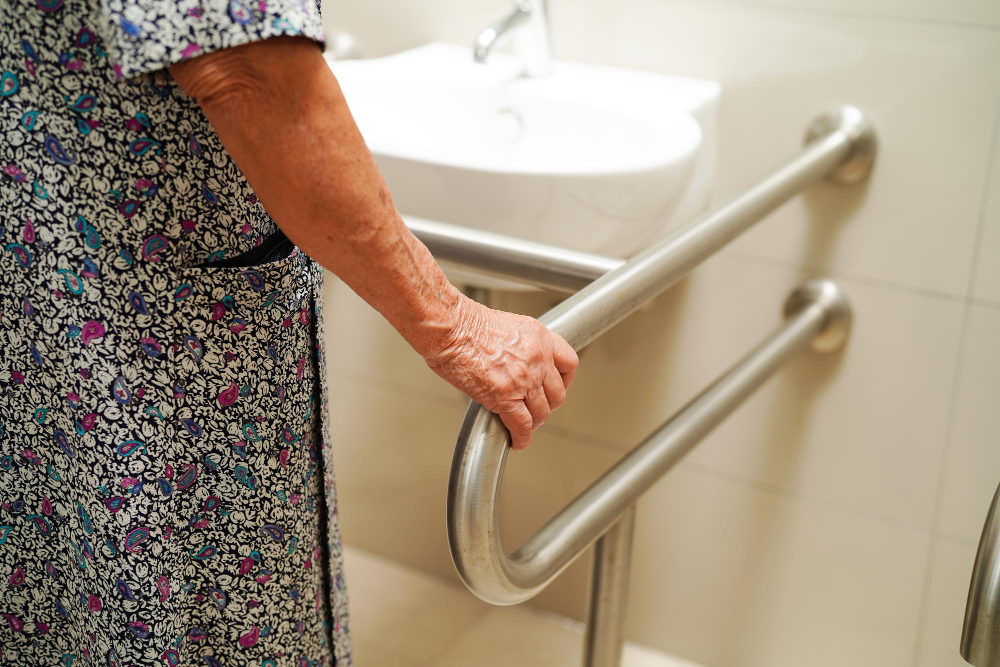
The bathroom presents the highest risk for slips. Installing grab bars near the toilet and inside the shower gives patients sturdy support when standing or sitting. A shower chair and a hand-held showerhead allow survivors with weakness on one side to bathe comfortably without standing for long periods.
In the bedroom, safety modifications focus on ease of access. Place the bed at a height where the patient can plant both feet firmly on the floor while sitting on the edge. Keep a sturdy nightstand with a touch-activated lamp and a phone easily within reach of the survivor’s strong arm.
Kitchen and Living Area Adaptations
Cooking and eating require fine motor skills and strength. Move frequently used dishes, utensils, and non-perishable food items to waist-level counters to prevent unnecessary reaching or bending. Applying non-slip materials to seating surfaces in the dining area keeps individuals stable while they eat.
Partnering with Reliable Home Care Services
Families do not have to manage these environmental changes alone. Enlisting professional help takes the guesswork out of the transition process. Expert caregivers from HouseCalls home care can evaluate your living space and recommend the exact safety modifications you need.
Skilled home care services provide hands-on assistance with mobility, bathing, and daily chores. When a patient struggles with hemiplegia, having a trained professional nearby prevents falls during complex transfers, like moving from a bed to a wheelchair. Partnering with HouseCalls home care ensures your loved one receives personalized, attentive support. These comprehensive home care services give families peace of mind, knowing their recovering family member is safe during the day.
Conclusion
Recovery happens best in a safe, predictable, and supportive space. By taking the time to adapt your living areas, you give your loved one the greatest chance at a smooth rehabilitation. Minor changes to flooring, lighting, and bathroom fixtures make a massive difference in daily mobility. If you need expert guidance on setting up your space or managing daily care routines, our Care Coordinators today by calling 718-922-9200 to help. Reach out to HouseCalls home care today to design a secure recovery environment tailored to your specific needs.