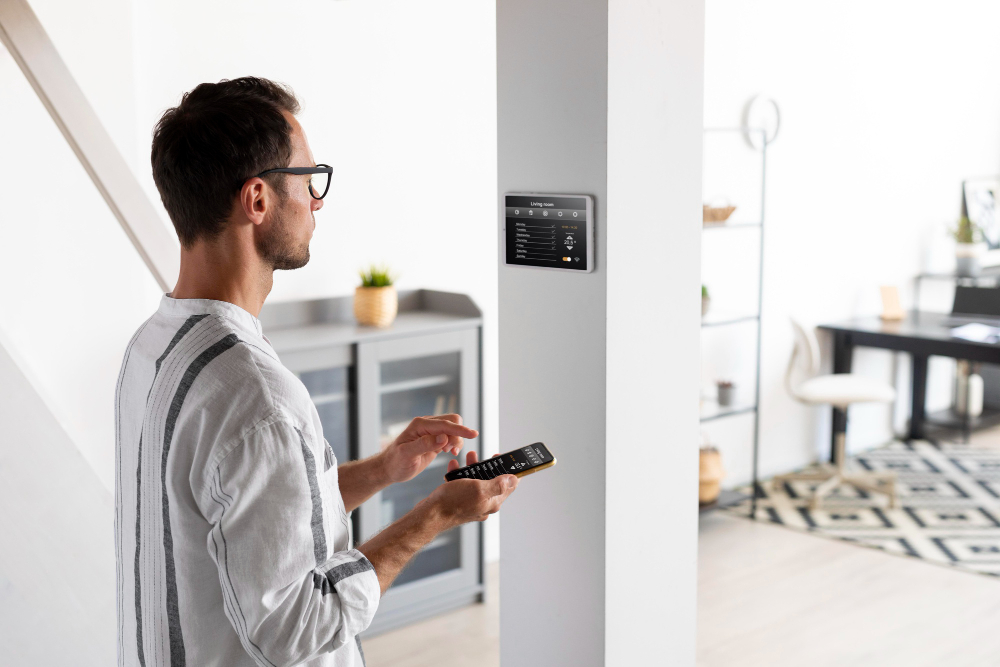
Passive radar fall detection systems monitor seniors for falls without using cameras, microphones, or wearables. They offer a privacy-respecting alternative to video monitoring, making them well-suited for older adults who want to age in place with dignity and safety.
Watching a parent or grandparent age at home brings a specific kind of worry. You want to know they are safe. You also want to respect their privacy. For many families, cameras feel like the wrong answer — intrusive, uncomfortable, and at odds with the independence your loved one has spent a lifetime building.
Passive radar fall detection offers a different path. These systems monitor movement and detect falls inside the home without recording video, capturing audio, or requiring your loved one to wear a device. For seniors who value their privacy, and for families using home care services to support aging in place, this technology fills a genuine gap.
What Is Passive Radar Fall Detection, and How Does It Work?
Passive radar systems use radio waves to detect motion and changes in a person’s movement pattern inside a room. When someone falls, the system recognizes the sudden shift in movement and sends an alert, often in seconds, to a caregiver or monitoring center.
No camera. No microphone. No wearable. The system works entirely through radio frequency signals bouncing off the body.
Because the technology does not capture any visual or audio data, it protects senior home privacy in a way that camera-based systems simply cannot. Your loved one can move freely through their home — including in bedrooms and bathrooms — without feeling watched.
Why Senior Home Privacy Matters in Fall Detection
Falls are serious. According to the Centers for Disease Control and Prevention (CDC), falls are the leading cause of injury-related death among adults aged 65 and older. Early detection can make the difference between a quick recovery and a prolonged hospitalization.
At the same time, many older adults refuse monitoring systems because they feel like surveillance. That refusal is not stubbornness. It reflects a reasonable desire to maintain dignity in their own home.
Camera-based systems create real barriers to adoption. Studies have found that privacy concerns are among the top reasons seniors and their families reject in-home monitoring technology. When a loved one refuses to use a safety system, the technology does not protect at all.
Passive radar solves this by removing the camera entirely. There is nothing to see, nothing to record, and nothing that compromises the private moments of daily life.
Best No-Camera Passive Radar Fall Detection Systems
Several systems have emerged as leaders in this category. Each takes a slightly different approach, so the right fit depends on your loved one’s living situation and care needs.
Vayyar Care
Vayyar Care uses a single wall-mounted sensor to monitor an entire room using radio frequency technology. It detects falls, tracks movement trends over time, and can alert caregivers without any camera or wearable component. It also monitors bed and room occupancy, which can be useful for families coordinating with home care services.
Google Nest x Yale / Cerevo Systems (Radar-Based)
Some newer smart home integrations are beginning to incorporate radar-based presence detection. These are worth evaluating as the category grows, though dedicated medical-grade systems like Vayyar typically offer stronger fall detection accuracy for senior care settings.
Alarm.com Wellness Monitoring
Alarm.com offers passive monitoring through motion sensors and environmental detectors that build a pattern of daily activity without any camera feed. While not radar-based in the traditional sense, it provides camera-free fall and inactivity monitoring with professional response options.
How Home Care Services and Fall Detection Work Together
Technology detects. People respond. That distinction matters.
A passive radar system can send an alert the moment your loved one falls. What happens next depends on who receives that alert and how quickly they can act. For families who are not always nearby, this is where home care services become essential.
Providers like Housecalls Home Care offer in-home support that complements fall detection technology. Their aides maintain regular contact with clients, monitor changes in mobility or behavior, and serve as a consistent, trusted presence inside the home. When a fall alert comes through, having an established care relationship means the response is faster and more personal.
Home care services also play a role in fall prevention. An aide who visits regularly can identify tripping hazards, support safe movement around the home, and flag early signs of declining balance before a fall occurs.
Choosing the Right System for Your Loved One’s Home
Every home is different. Before selecting a passive radar system, consider the following:
- Room coverage: Some sensors cover a single room; others can monitor multiple areas. A larger home may need more than one device.
- Alert routing: Confirm whether alerts go directly to family members, to a monitoring center, or both.
- Installation requirements: Most systems are designed for straightforward setup, but check whether professional installation is recommended.
- Integration with care providers: Ask whether the system can share data with your loved one’s home care services team.
- Monthly costs: Some systems carry subscription fees for professional monitoring. Factor this into the long-term budget.
Take the Next Step to Protect Your Loved One’s Safety and Privacy
Your loved one deserves to feel safe at home — and to feel respected there, too. Passive radar fall detection makes both possible, without cameras, without wearables, and without compromising the privacy they have every right to keep.
Reach out to the Housecalls Home Care Intake Team today by calling 718-922-9200 to learn how their home care services can work alongside fall detection technology to support your loved one right where they are.