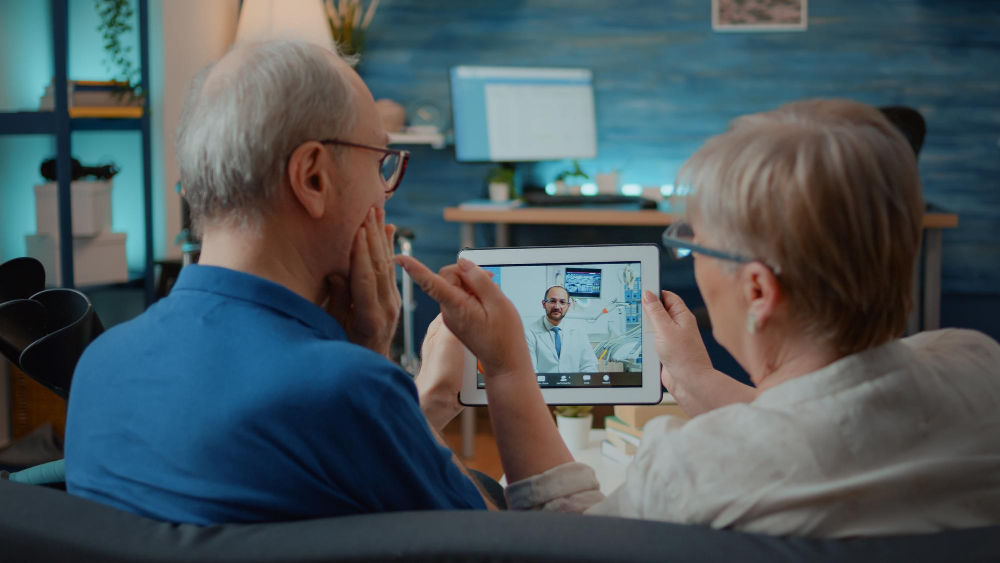
Blending professional home health aides with predictive smart monitoring systems combines skilled human caregivers with sensors that track health patterns. The technology spots problems early, while aides provide hands-on care and emotional support. Together, they help your loved one stay safe and independent at home.
Watching a parent grow older brings a quiet worry. You want them to stay in the home they love, but you also fear the fall you will not be there to catch. That worry is real, and you are not alone in feeling it.
There is good news. Blending professional home health aides with predictive smart monitoring systems offers a new kind of safety net. It pairs caring, trained aides with technology that watches for trouble before it happens. This guide explains how the two work together, why the human touch still matters, and how home care services bring it all under one roof.
What Predictive Smart Monitoring Means for Home Care
Predictive smart monitoring uses sensors and software to track daily patterns. Think of gentle motion sensors, wearable devices, and tools that measure heart rate, sleep, and movement.
The system learns what a normal day looks like for your loved one. When something changes, it sends an alert. A skipped meal, a restless night, or a slower walk can all signal a problem forming.
The goal is simple. Catch small changes before they turn into emergencies.
How Blending Professional Home Health Aides With Predictive Smart Monitoring Systems Works
Technology alone cannot care for a person. Aides alone cannot watch every moment. Put them together, and each one covers the other’s blind spots.
Proactive Health Risk Detection
Small warning signs are easy to miss. A change in sleep or appetite can pass unnoticed for weeks.
Smart sensors track these patterns around the clock. When the data shifts, the system flags it. A home health aide then checks on your loved one, notes what they see, and passes the details to the care team. This turns a vague worry into a clear, early action.
Fall Risk Reduction With Passive Sensors
Falls are one of the biggest threats to older adults living at home. Many happen when no one is watching.
Passive sensors need no buttons and no effort. They quietly track movement and balance over time. If your loved one starts moving more slowly or unsteadily, the system notices. An aide can then step in, adjust the home, or add support before a fall ever happens.
Why Technology Still Needs a Human Touch
Sensors send data. They do not hold a hand. The heart of good care will always be a caring person in the room.
Earlier Intervention, Fewer Emergencies
Alerts only help when someone acts on them. That is where a trained aide makes the difference.
When the system flags a change, an aide responds in person. They can call a nurse, contact the family, or arrange a doctor visit. This quick, human response often stops a small issue from becoming a hospital stay.
Emotional Support That Cannot Be Automated
Loneliness hurts, and no device can fix it. Your loved one needs conversation, comfort, and a familiar face.
A home health aide brings warmth that no screen can match. They share a meal, listen to a story, and offer real companionship. This bond keeps your loved one feeling valued, not just monitored.
How Home Care Services Deliver This Integrated Approach
Bringing technology and caregivers together sounds complex. The right provider makes it simple.
A quality home care agency sets up the monitoring tools, trains the aides to use them, and links everything to a care team. You get one clear plan instead of scattered gadgets and separate services. Providers like Housecalls Home Care handle the setup so you can focus on your loved one, not the paperwork.
You do not have to build this system yourself. Help is ready when you are.
Bringing It All Together for Your Loved One
Aging at home does not have to mean choosing between safety and independence. With the right support, your loved one can have both.
Blending professional home health aides with predictive smart monitoring systems gives your family a stronger safety net and real peace of mind. The technology watches for risk, and a caring aide answers the call.
Reach out to the Housecalls Home Care Intake Team today by calling 718-922-9200 to book a consultation. Our team will explain your options, set up your care plan, and help your loved one stay safe at home. Help starts with one conversation.