
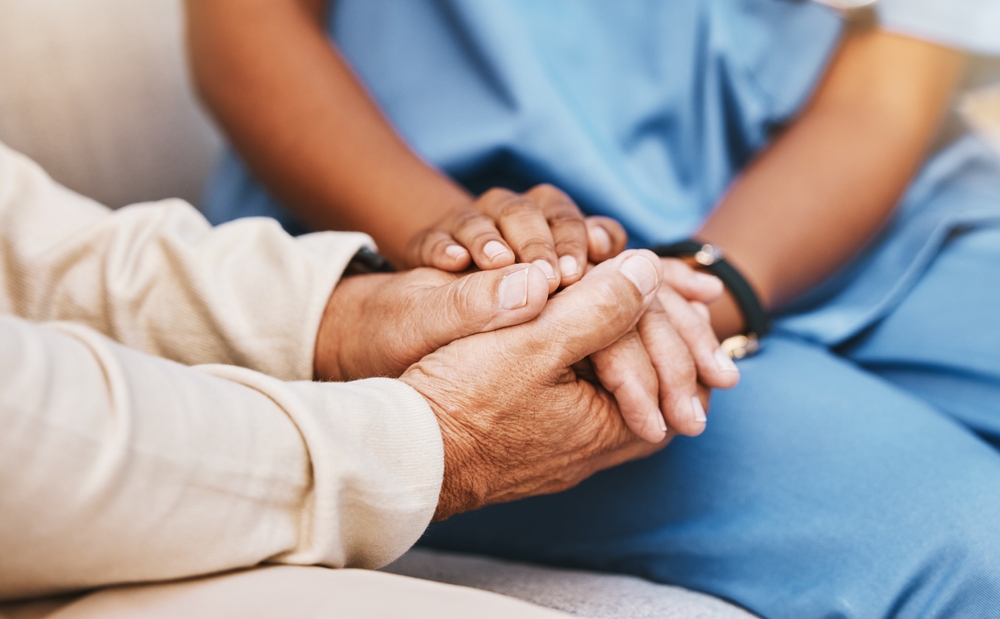
When an older loved one becomes homebound, families often worry about safety, comfort, and independence. Many seniors want to remain at home, but they may need help with daily tasks, health needs, or social connections.
Choosing the right care model can make home life safer and less stressful. The best approach depends on your loved one’s health, mobility, routine, and level of support needed.
Types of Home Care for Seniors
Home care is not one-size-fits-all. Some seniors need only a few hours of help each week. Others may need daily support or skilled medical care. Understanding the main options can help families make a more confident decision.
Companion Care
Companion care focuses on emotional support, social connection, and light daily help. It may be a good fit for seniors who can manage many personal tasks but feel lonely, isolated, or less confident being alone.
A companion caregiver may help with conversation, hobbies, meal preparation, light housekeeping, errands, and transportation to appointments. This type of care can also give families peace of mind by ensuring someone checks in regularly.
Companion care supports more than comfort. Regular interaction can help seniors stay engaged, active, and connected to daily life.
Personal Care Assistance
Personal care assistance is more hands-on. It helps seniors who need support with activities of daily living, also known as ADLs.
These tasks may include bathing, dressing, grooming, toileting, walking, transferring from bed to chair, and eating. Caregivers may also help with reminders, safe movement around the home, and daily routines.
This care model is often helpful for seniors with limited mobility, weakness, memory changes, or chronic conditions. The goal is to provide respectful support while preserving as much independence and dignity as possible.
Skilled Nursing Care
Some homebound seniors have medical needs that require a licensed nurse. Skilled nursing care may be needed after surgery, during illness, or when managing a complex health condition.
Services may include wound care, injections, medication management, monitoring vital signs, and support for serious or changing medical needs. Skilled nursing is usually provided under medical direction and is different from non-medical home care.
For families, skilled nursing can help ensure that medical concerns are monitored by trained professionals in the comfort of the home.
Which Care Models Work Best for Homebound Elders?
The most effective care model is the one that fits the person’s real needs. For many families, this means a flexible plan that can change over time.
A senior may begin with companion care, then later need personal care assistance. Someone recovering from a hospital stay may need skilled nursing for a short period, along with help at home for meals, bathing, or mobility.
A blended care plan can often provide the right balance of safety, independence, and family support. Regular reassessments are also important because care needs can change.
The Value of Agency-Based Care
Working with a trusted home care agency can make the process easier for families. Agencies can help assess needs, create a care plan, match caregivers, and adjust services when needed.
Agency-based care may also provide added reliability. If a caregiver is unavailable, the agency can help arrange backup coverage. Agencies also handle caregiver screening, scheduling, and supervision, which can reduce stress for families.
How Technology Can Support Care
Technology can be a helpful part of home care when used appropriately. Tools such as medication reminders, fall detection devices, remote monitoring, and telehealth check-ins may add another layer of support.
Technology should not replace personal care or human connection. Instead, it can help caregivers, families, and providers stay informed and respond more quickly when concerns arise.
Finding the Right Support
Homebound elders deserve care that is safe, respectful, and tailored to their needs. Whether your loved one needs companionship, personal care, skilled nursing, or a combination of services, the right support can improve comfort at home.
HouseCalls Home Care is here to help families explore compassionate and reliable care options. Call 718-922-9200, email info@HouseCallshc.org, or register here: https://yuz88hfiyh7.typeform.com/to/E5thuv5G?typeform-source=statics.teams.cdn.office.net.


