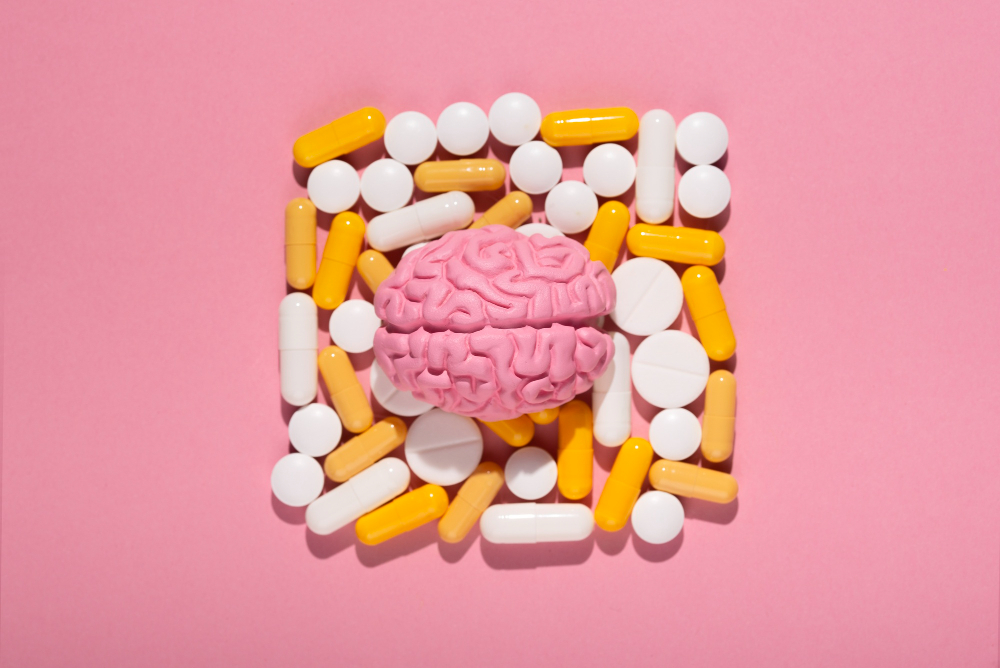
When you experience a head injury, you naturally focus on treating the brain. However, modern science reveals that true healing requires looking at the stomach, too. The connection between your digestive system and your mind is powerful. Understanding the gut-brain axis in traumatic brain injury is essential for anyone navigating the complex journey of rehabilitation.
You might be surprised to learn that the food you eat directly influences your mental clarity, mood, and healing speed. In this article, we will explore exactly how digestive health impacts cognitive recovery post-injury. We will break down the biology behind this connection and offer practical, daily strategies to nourish your brain through your stomach, ensuring a smoother and more effective recovery.
Decoding the Gut-Brain Axis in Traumatic Brain Injury
The gut-brain axis is a two-way communication network linking your central nervous system to your intestinal tract. When the brain sustains trauma, this delicate communication line often gets disrupted.
The Biological Connection
Your gut produces an estimated 90% of your body’s serotonin, a crucial neurotransmitter that regulates mood, sleep, and learning. After a brain injury, systemic inflammation can upset the balance of healthy bacteria in your stomach. This imbalance sends stress signals back to the brain, creating a vicious cycle that hinders healing. Recognizing the gut-brain axis in traumatic brain injury helps patients realize that their diet is not just about physical health; it is a vital neurological treatment.
The Role of Inflammation
Inflammation is the enemy of cognitive recovery. A compromised digestive system allows inflammatory markers to cross the blood-brain barrier. This often leads to increased brain fog, fatigue, and memory challenges. By healing the gut lining, you can reduce this inflammation and give your brain the optimal environment it needs to repair damaged neural pathways.
How Digestive Health Impacts Cognitive Recovery Post-Injury
Taking control of your diet can dramatically change your rehabilitation timeline. Here is a closer look at how digestive health impacts cognitive recovery post-injury, along with steps you can take today.
To support your gut-brain axis, focus on these dietary adjustments:
- Eat probiotic-rich foods: Incorporate yogurt, kefir, or sauerkraut to introduce beneficial bacteria back into your digestive tract.
- Increase omega-3 fatty acids: Salmon, walnuts, and chia seeds reduce inflammation and support brain tissue repair.
- Stay hydrated: Water is essential for proper digestion and keeping the brain functioning at its peak.
- Limit processed sugars: High sugar intake feeds harmful gut bacteria and spikes systemic inflammation.
Implementing these changes can be overwhelming for someone recovering from trauma. This is where professional home care services become invaluable. Having dedicated support ensures that these dietary adjustments are seamlessly integrated into daily life.
Leveraging Professional Support for Better Nutrition
Recovery should never be a solo endeavor. Quality home care services provide the hands-on assistance needed to manage a specialized brain-healing diet. Professional caregivers can help with grocery shopping, meal preparation, and ensuring that you stay hydrated throughout the day.
Teams at Housecalls Homecare understand the complex needs of brain injury survivors. By bringing expert care into your living room, Housecalls Homecare ensures that your nutritional needs are met without adding stress to your daily routine. Caregivers monitor your progress, helping you maintain the consistency required to heal both your gut and your brain.
Conclusion
Your stomach and your brain are lifelong partners in your overall well-being. By recognizing how digestive health impacts cognitive recovery post-injury, you unlock a powerful tool for rehabilitation. Nourishing your gut reduces inflammation, boosts essential neurotransmitters, and clears the path for mental clarity. You do not have to navigate meal planning and recovery alone. Expert home care services can provide the exact support you need to thrive. If you are ready to optimize your recovery through better nutrition, reach out to our Care Coordinators today by calling 718-922-9200 to discuss a personalized recovery plan.