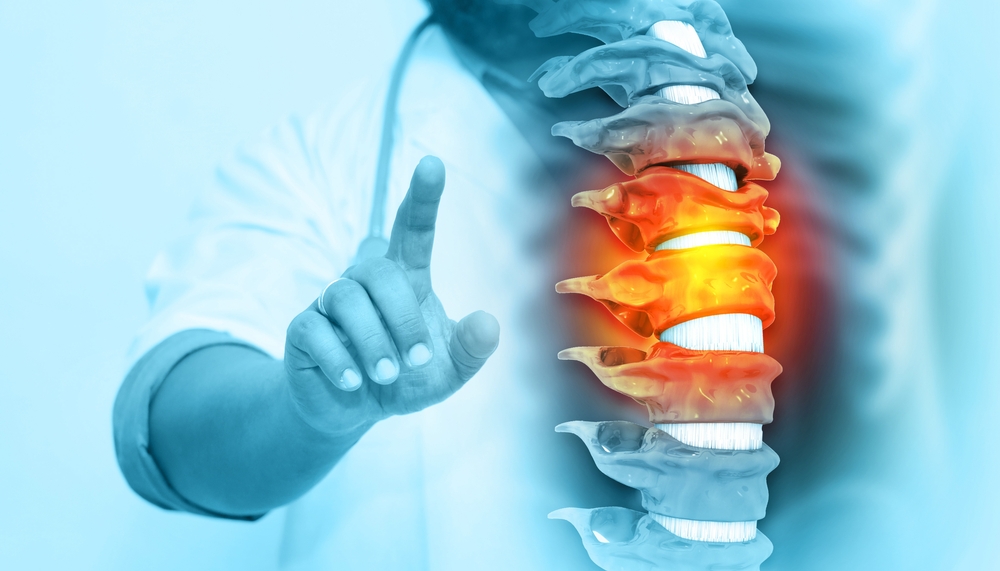
A spinal cord injury is a life-altering event that impacts thousands of individuals and their families every year. One of the most significant outcomes of such an injury is tetraplegia, commonly known as quadriplegia, after spinal cord injury. This condition affects all four limbs and the torso, often resulting from damage to the cervical spine. While the initial diagnosis can be overwhelming, understanding the physiological changes and the available support systems is the first step toward reclaiming a high quality of life. Modern medical advancements and comprehensive home care services are now making it possible for many to navigate this journey with dignity and hope. Reach out today to learn more about how we can help you enhance your golden years.
Common Causes of Quadriplegia After Spinal Cord Injury
Quadriplegia occurs when the spinal cord sustains damage high enough to disrupt signals between the brain and the rest of the body. The severity of the impairment usually depends on the location and completeness of the injury.
Trauma and Physical Impact
The leading cause of quadriplegia after spinal cord injury is often related to sudden, traumatic events. According to the National Spinal Cord Injury Statistical Center (NSCISC), the most frequent triggers include:
- Vehicle Accidents: Car and motorcycle crashes remain the primary cause of cervical spine injuries.
- Falls: Particularly among older adults, falls from heights or even standing positions can cause vertebral fractures.
- Sports Injuries: High-impact sports like football, diving, or equestrian activities contribute significantly to spinal trauma.
- Acts of Violence: Penetrating wounds, such as those from firearms, can sever or bruise the spinal cord.
Non-Traumatic Factors
In some instances, quadriplegia may develop due to medical conditions rather than external force. These can include spinal tumors, severe infections (like meningitis), or degenerative disc diseases that compress the spinal column over time.
Navigating the Path: Managing Quadriplegia After Spinal Cord Injury
Effective management is a lifelong process that involves a multidisciplinary medical team. The goal of managing quadriplegia after spinal cord injury is to prevent secondary complications while maximizing the individual’s functional abilities.
Clinical Interventions
Immediately following an injury, the focus is on stabilizing the spine and reducing inflammation. Surgeons may perform decompressions or fusions to prevent further nerve damage. Once stabilized, the focus shifts to rehabilitation.
The Role of Rehabilitation
Rehabilitation is the cornerstone of recovery. It typically involves:
- Physical Therapy: Focusing on muscle strengthening and maintaining flexibility.
- Occupational Therapy: Re-training the individual to perform daily tasks using assistive technology.
- Respiratory Therapy: Helping patients with high-level injuries maintain lung function.
Transitioning to Home: The Importance of Professional Support
For many, the transition from a clinical setting to a home environment is the most challenging phase. This is where housecalls home care becomes an essential component of the recovery ecosystem. Living at home allows for a sense of normalcy, but it requires significant modifications and consistent medical oversight.
Professional home care services provide a bridge between hospital care and independent living. Skilled caregivers can assist with:
- Bowel and Bladder Management: Crucial for preventing urinary tract infections and autonomic dysreflexia.
- Skin Integrity: Constant monitoring to prevent pressure sores (decubitus ulcers).
- Mobility Assistance: Helping with transfers from beds to wheelchairs to ensure safety.
By utilizing HouseCalls Home Care, families can reduce the stress of 24/7 caregiving while ensuring their loved one receives professional-grade attention in the comfort of their own residence.
Adapting to life with quadriplegia is a profound challenge, but it is not a journey that must be taken alone. By understanding the causes and actively engaging in management strategies, individuals can achieve remarkable milestones in independence. Whether through advanced physical therapy or the dedicated support of home care services, the focus remains on the person, not just the injury.
If you feel you need an extra layer of support, you are not alone. Contact Housecalls Home Care to discover how our compassionate and skilled caregivers can help your loved one navigate the challenges of managing Quadriplegia after Spinal Cord Injury safely. Feel free to call HouseCalls Home Care at 718-922-9200 if you or a loved one requires compassionate and competent home care services. You can also send an email to us at info@HouseCallshc.org for more information. Our goal is to help you find the best support for your needs. Alternatively, you can register your information at https://yuz88hfiyh7.typeform.com/to/E5thuv5G?typeform-source=statics.teams.cdn.office.net, and we will get back to you.