The possibility of needing a feeding tube can bring up many questions and concerns for you and your family. This medical support is used when someone cannot eat or drink safely or enough to get the nutrition they need. Our commitment is to provide you with clear, professional, and empathetic information about what a feeding tube is, why it might be necessary, and what to expect from the procedure and daily care. We want to ensure you feel informed and supported, understanding that this is a way to provide vital nourishment and maintain health and dignity. Reach out today to learn more about how we can help you enhance your golden years.
Understanding the Need for a Feeding Tube
A feeding tube is a medical device that provides nutrition to individuals who are unable to consume food or liquids by mouth. This can be a short-term solution during recovery from an illness or surgery, or a long-term necessity for chronic conditions. We want to explain that the decision to use a feeding tube is made carefully by a medical team to ensure safety and proper nourishment.
There are different types of feeding tubes. Some are inserted through the nose (nasogastric tube) for temporary use. For longer-term needs, a tube is often placed directly into the stomach through a small incision in the abdomen. We recognize this procedure, known as a percutaneous endoscopic gastrostomy (PEG), is a common and safe method for providing extended nutritional support.
The PEG Tube Procedure: What to Expect
When long-term nutritional support is required due to conditions like advanced dementia, cancer, or severe difficulty swallowing (dysphagia), a PEG tube is often recommended. We are here to walk you through the procedure with clarity and care so you know what to anticipate.
Before the Procedure
Your medical team will provide specific instructions, which typically include fasting from food and drink for at least eight hours beforehand. Upon arrival at the hospital or clinic, you will prepare for the procedure. We want you to feel as comfortable as possible. A combination of sedatives, pain relievers, and sometimes antibiotics will be administered through an IV to ensure you are relaxed and pain-free.
During the Procedure
A surgeon or gastroenterologist performs the PEG tube insertion. The procedure involves these key steps:
- An endoscope—a thin, flexible tube with a camera on the end—is guided through your mouth and down into your stomach. This allows the doctor to see the inside of your stomach and find the best location for the tube.
- A local anesthetic is used to numb the area on your abdomen.
- A small incision is made in the skin over your stomach.
- The feeding tube is then carefully guided through the incision and into the stomach, where it is secured in place.
After the Procedure
Following the insertion, the tube will be taped to your abdomen. We understand you may experience some soreness around the site, similar to a strained muscle, and pain medication will be provided. It is normal to see some drainage for the first few days, and a sterile gauze dressing will be applied and changed as needed. Once the site begins to heal, it can be gently cleaned with soap and water.
Living with and Caring for a Feeding Tube
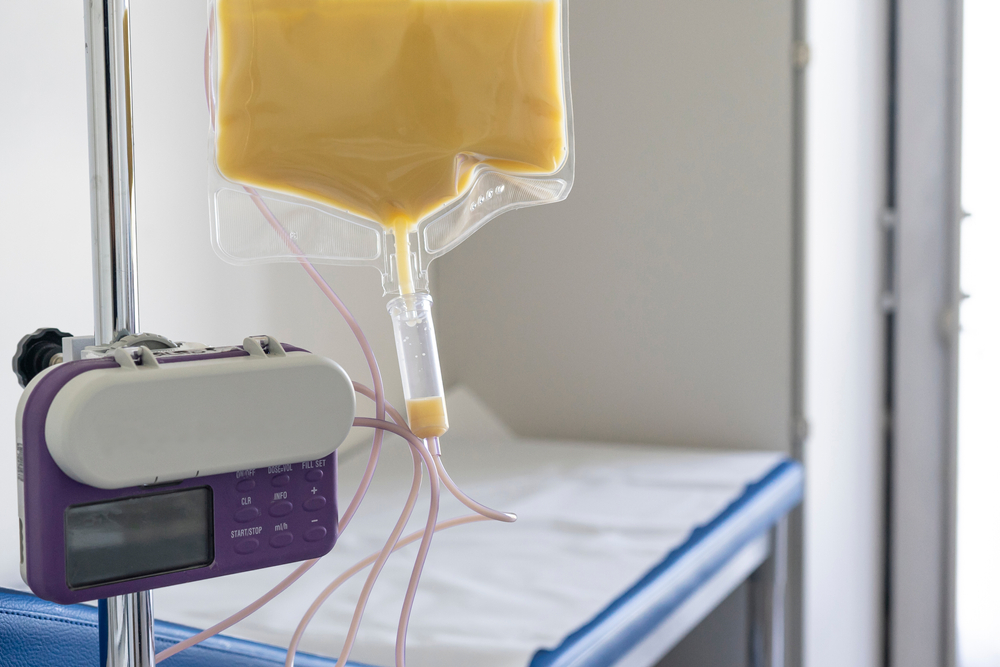
Learning how to manage a feeding tube is an important part of the process. We want to assure you that you will receive thorough training and support. A dietitian will instruct you on how to prepare the liquid formula and administer feedings. Feedings are typically given using a pump or a gravity system, which allows the formula to drip into the stomach over a set period.
Caring for the tube and the surrounding skin is crucial to prevent infection and ensure comfort. This includes:
- Keeping the area clean and dry.
- Flushing the tube with water before and after feedings to prevent clogs.
- Checking the skin for any signs of redness, swelling, or irritation.
Feeding tubes are designed for long-term use but require periodic replacement, typically every several months to a year, to ensure they function correctly.
When to Contact Your Doctor
While complications are uncommon, we want you to be aware of signs that require medical attention. You should notify your doctor immediately if:
- The feeding tube becomes dislodged or falls out.
- The tube is blocked, and the formula cannot pass through.
- You notice significant leaking around the tube insertion site.
- There are signs of infection, such as increased redness, swelling, pain, or pus.
Your Partner in Health and Wellness
We believe that with the right information and support, managing a feeding tube can become a manageable part of your daily routine, providing the essential nutrition needed for health and quality of life. You are not on this journey alone.
We are dedicated to providing expert and compassionate care to every patient we serve. Speak with our home care services coordinator to get a reliable care provider for your loved one, to ensure they get the best quality of care and companionship to live a peaceful, happy life. If you want to know more about adult day care services, HouseCalls Home Care offers excellent services for your aging loved ones. Feel free to call HouseCalls Home Care at 718-922-9200 if you or a loved one requires compassionate and competent in-home care services. You can also send an email to us at info@HouseCallshc.org for more information. Our goal is to help you find the best support for your needs.