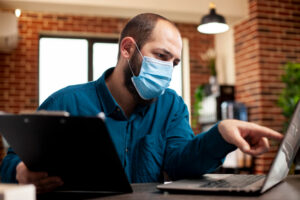
Returning home after chemotherapy is a significant milestone, but it also marks the beginning of a crucial new phase. For seniors, the journey of healing continues well beyond the hospital walls. Managing elderly cancer recovery at home requires careful attention and a proactive approach. The body is often fragile after treatment, and side effects can appear days or even weeks later.
Family caregivers play a vital role during this transition. Understanding how to support a loved one involves more than just providing comfort; it requires knowing exactly what to look for. By implementing effective strategies to monitor post-chemo effects at home, you can catch potential complications early and ensure your loved one remains on the path to wellness. Reach out today to learn more about how we can help you enhance your golden years.
Essential Strategies to Monitor Post-Chemo Effects at Home
Chemotherapy affects everyone differently, but older adults often face unique challenges due to age-related physical changes. Monitoring their condition requires a structured routine. Here are the key areas to focus on.
1. Tracking Vital Signs Daily
One of the most effective strategies to monitor post-chemo effects at home is keeping a close watch on basic vital signs. A sudden change can be the first indicator of an infection or reaction.
- Temperature: Fever is a critical warning sign in cancer patients. A temperature of 100.4°F (38°C) or higher warrants an immediate call to the doctor.
- Heart Rate: Note any irregular beats or unusually rapid pulses.
- Blood Pressure: If your loved one has a history of hypertension or hypotension, daily checks are essential.
2. Managing Medication Adherence
Seniors often leave the hospital with a complex regimen of new prescriptions. Organizing these medications is non-negotiable.
- Use a Pill Organizer: clearly labeled compartments prevent missed doses.
- Keep a Log: Write down when each medication is taken to avoid double-dosing.
- Watch for Interactions: If you notice new dizziness or nausea shortly after taking pills, consult a pharmacist or doctor immediately.
3. Observing Physical Symptoms
During elderly cancer recovery at home, physical side effects can fluctuate. Keep a daily journal of symptoms to share with the medical team.
- Fatigue: While tiredness is expected, exhaustion that prevents basic activities needs to be addressed.
- Digestive Issues: Monitor for severe nausea, vomiting, constipation, or diarrhea, as these can lead to dangerous dehydration.
- Pain Levels: Ask your loved one to rate their pain on a scale of 1 to 10 regularly to ensure pain management protocols are working.
4. Preventing Infection
Chemotherapy suppresses the immune system, making seniors highly susceptible to infections.
- Hygiene: Encourage frequent handwashing for everyone in the household.
- Skin Checks: Look for redness or swelling around any IV sites or catheters.
- Respiratory Signs: Watch for persistent coughing or shortness of breath.
The Role of Professional Support
Sometimes, family support needs to be supplemented by professional expertise. Home care services can bridge the gap between hospital discharge and full independence. Professional caregivers are trained to recognize subtle changes in a patient’s condition that family members might miss.
Integrating Housecalls Home Care into your recovery plan provides peace of mind. Our team can assist with medication reminders, hygiene assistance, and meal preparation, ensuring that the home environment is conducive to healing.
Nutrition and Hydration
Proper fuel is critical for rebuilding strength.
- Hydration: Dehydration is a common post-chemo risk. Ensure regular fluid intake.
- Small Meals: If appetite is low, offer small, nutrient-dense snacks rather than large meals.
- Assistance: If cooking becomes too taxing, home care services can ensure healthy meals are always available.
Successfully managing elderly cancer recovery at home is about vigilance and support. By using these strategies to monitor post-chemo effects at home, you empower your loved one to heal safely and comfortably. From tracking fevers to managing medications, every small step contributes to a stronger recovery.
You don’t have to navigate this challenging time alone. If you need assistance providing the best care for your family member, Housecalls Home Care is here to help. Contact us today to learn how our compassionate team can support your loved one’s journey to health. Feel free to call HouseCalls Home Care at 718-922-9200 if you or a loved one requires compassionate and competent home care services. You can also send an email to us at info@HouseCallshc.org for more information. Our goal is to help you find the best support for your needs. Alternatively, you can register your information at https://yuz88hfiyh7.typeform.com/to/E5thuv5G?typeform-source=statics.teams.cdn.office.net, and we will get back to you.