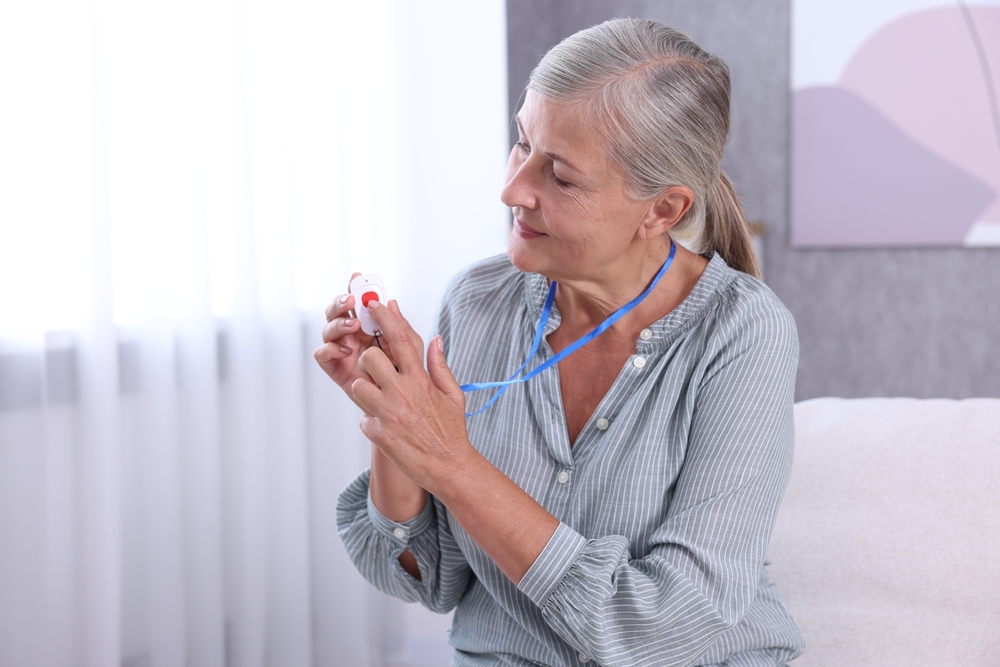
Recovering from a traumatic brain injury (TBI) often involves navigating new challenges related to balance, memory, and physical coordination. For many survivors and their families, the fear of falls or medical emergencies while alone at home is a constant concern. This is where medical alert systems for TBI survivors become an invaluable tool. These devices do more than just call for help; they provide a lifeline that supports independence and confidence.
By integrating reliable technology into daily routines, survivors can maintain their autonomy while ensuring help is just a button press away. This guide explores why these systems are crucial and how to choose the right one for your specific needs. Reach out today to learn more about how we can help you enhance your golden years.
Why Medical Alert Systems Are Vital for TBI Management
Safety is the cornerstone of effective TBI management. The aftermath of a brain injury can leave individuals susceptible to sudden dizziness, seizures, or confusion. In these moments, the ability to quickly summon assistance can prevent minor incidents from escalating into serious medical crises.

Medical alert systems for TBI survivors offer a layer of security that traditional phones cannot match. In an emergency, navigating a smartphone screen or dialing a number might be impossible due to cognitive fog or motor deficits. A dedicated alert system simplifies this process into a single action, ensuring that emergency responders or loved ones are notified immediately.
Enhancing Independence with NHTD TBI Support
For those enrolled in the Nursing Home Transition and Diversion (NHTD) Medicaid waiver, safety technology is often a key component of their care plan. The NHTD TBI program aims to help survivors live safely in their communities rather than in institutional settings. Utilizing a medical alert system aligns perfectly with the goals of the NHTD TBI waiver, as it provides the necessary oversight to allow individuals to stay in their own homes longer.
Features to Look for in Alert Systems
Not all systems are created equal. When selecting a device, it is important to consider the specific deficits and lifestyle of the survivor.
Fall Detection Technology
Falls are a primary risk for TBI survivors.
- Automatic Sensors: Look for systems with built-in accelerometers that detect sudden downward movements and impact.
- Auto-Alerts: These devices automatically contact the monitoring center if a fall is detected, even if the user cannot press the button themselves.
GPS Location Tracking
For survivors who experience memory issues or wandering, GPS capabilities are essential.
- Real-Time Location: Allows caregivers to pinpoint the user’s exact location if they leave a designated safe zone.
- Mobile Protection: Ensures that medical alert systems for TBI survivors work outside the home, providing safety during walks or errands.
Medication Reminders
Cognitive support is just as important as physical safety in TBI management.
- Audible Alerts: Some advanced systems offer programmable alarms to remind users to take medications.
- Dispenser Integration: Certain models connect to automated pill dispensers to track compliance.
Comparing System Types
| Feature | In-Home Landline Systems | Mobile Cellular Systems |
| Range | Limited to the home (approx. 1,000 ft) | Anywhere with cellular coverage |
| Battery Life | Long-lasting (often years) | Requires daily or weekly charging |
| Cost | Generally lower monthly fees | Higher fees due to cellular data |
| Best For | Survivors who rarely leave home alone | Active survivors who travel independently |
Investing in the right safety technology is a proactive step toward a more independent life. Medical alert systems for TBI survivors provide the assurance needed to navigate daily activities without the constant fear of being unreachable in an emergency. Whether accessed through private purchase or supported by programs like the NHTD waiver, these devices are a critical component of comprehensive care. Prioritizing safety today allows survivors to focus on what matters most: their recovery and quality of life.
If you need assistance selecting a system or understanding how waiver programs can support your safety needs, contact our experts today. Feel free to call HouseCalls Home Care at 718-922-9200 if you or a loved one requires compassionate and competent home care services. You can also send an email to us at info@HouseCallshc.org for more information. Our goal is to help you find the best support for your needs. Alternatively, you can register your information at https://yuz88hfiyh7.typeform.com/to/E5thuv5G?typeform-source=statics.teams.cdn.office.net, and we will get back to you.