Receiving a diagnosis of Alzheimer’s disease is a life-altering moment for seniors and their families. It brings a wave of questions about the future, daily living, and medical care. However, understanding the process of Alzheimer’s disease diagnosis in the elderly is the first step toward regaining control. Early detection empowers families to make informed decisions, access better care options, and plan for the road ahead.
While there is currently no cure, advancements in Alzheimer’s disease treatment are providing new hope. With the right combination of medical intervention, lifestyle changes, and support systems like Housecalls home care, seniors can maintain their quality of life for longer. This article explores how doctors diagnose the condition and the effective treatments available today. Reach out today to learn more about how we can help you enhance your golden years.
Navigating Alzheimer’s Diagnosis in the Elderly
Diagnosing Alzheimer’s is a complex process. There isn’t a single test that confirms the disease; instead, doctors use a combination of methods to rule out other causes of memory loss and pinpoint the specific type of dementia.

Medical History and Physical Exams
The journey usually begins with a thorough medical history. Doctors will ask about:
- Daily cognitive difficulties (forgetting names, getting lost).
- Behavioral or personality changes.
- Family history of dementia.
A physical exam helps identify other conditions—like strokes, thyroid problems, or vitamin deficiencies—that might mimic dementia symptoms.
Cognitive and Neuropsychological Testing
To assess memory, problem-solving, and thinking skills, doctors conduct specific mental status tests. These evaluations help determine if a senior is experiencing normal age-related forgetfulness or the early stages of cognitive decline, which is crucial for an accurate Alzheimer’s disease diagnosis in the elderly.
Advanced Brain Imaging
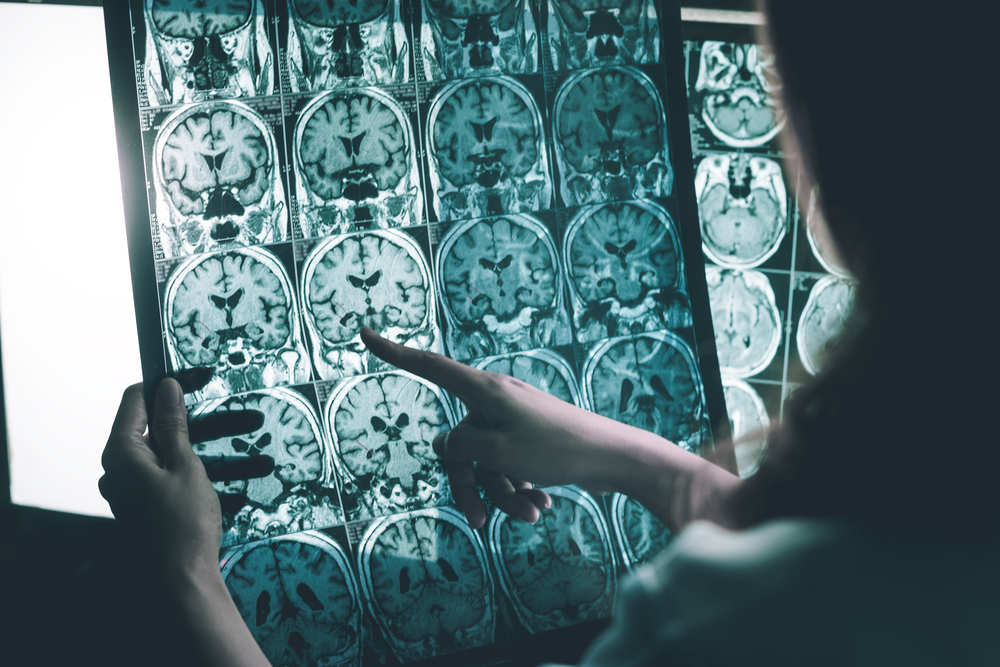
In recent years, brain imaging has become a vital tool. MRI and CT scans can rule out tumors or strokes. More advanced scans, like PET scans, can now detect high levels of beta-amyloid proteins or tau tangles in the brain, which are hallmark physical signs of Alzheimer’s.
Current Alzheimer’s Disease Treatment Options
Once a diagnosis is confirmed, the focus shifts to management. While no treatment stops the disease entirely, several approaches can slow its progression and manage symptoms effectively.
Medications for Memory and Cognition
The FDA has approved several drugs that help manage symptoms:
- Cholinesterase Inhibitors: These drugs (like donepezil) are often prescribed for early to moderate stages. They help prevent the breakdown of acetylcholine, a chemical messenger important for learning and memory.
- Glutamate Regulators: For moderate to severe cases, drugs like memantine regulate glutamate, a brain chemical that processes information.
- New Immunotherapies: Recent breakthroughs include drugs like lecanemab, which target and remove beta-amyloid plaques from the brain, potentially slowing cognitive decline in early stages.
Managing Behavioral Symptoms
Alzheimer’s often brings anxiety, depression, and sleep disturbances. Non-drug approaches are usually the first line of Alzheimer’s disease treatment for these issues. Creating a calm environment and establishing a routine can significantly reduce agitation.
The Role of Home Care Services in Treatment Plans
Medical treatment is only one piece of the puzzle. Daily support is equally critical for safety and well-being. This is where home care services become an essential part of the care plan.
Medication Management and Safety
Seniors with memory loss often struggle to take medications correctly. Professional caregivers ensure prescriptions are taken on time and at the right dosage. Furthermore, Housecalls home care providers assess the home for safety hazards, preventing falls and accidents that can complicate health.
Cognitive Stimulation and Social Engagement
Isolation worsens cognitive decline. Home care professionals provide companionship and engage seniors in activities such as memory exercises, puzzles, and conversation. This consistent social interaction is a vital, non-medical component of Alzheimer’s disease treatment that helps maintain cognitive function.
Respite for Family Caregivers
Caring for a loved one with Alzheimer’s is demanding. Housecalls Home Care offers respite to family members, allowing them to rest and recharge. Knowing that a trained professional is handling daily tasks—such as bathing, meal preparation, and supervision—provides invaluable peace of mind.
Facing an Alzheimer’s disease diagnosis in the elderly is challenging, but you do not have to navigate it alone. By understanding the diagnostic process and exploring modern Alzheimer’s disease treatment options, you can build a robust care plan. Integrating professional support through home care services ensures that your loved one remains safe, comfortable, and dignified throughout their journey.
If you need support managing a loved one’s condition at home, reach out to Housecalls home care today to learn how our compassionate team can assist your family. Feel free to call HouseCalls Home Care at 718-922-9200 if you or a loved one requires compassionate and competent home care services. You can also send an email to us at info@HouseCallshc.org for more information. Our goal is to help you find the best support for your needs. Alternatively, you can register your information at https://yuz88hfiyh7.typeform.com/to/E5thuv5G?typeform-source=statics.teams.cdn.office.net, and we will get back to you.