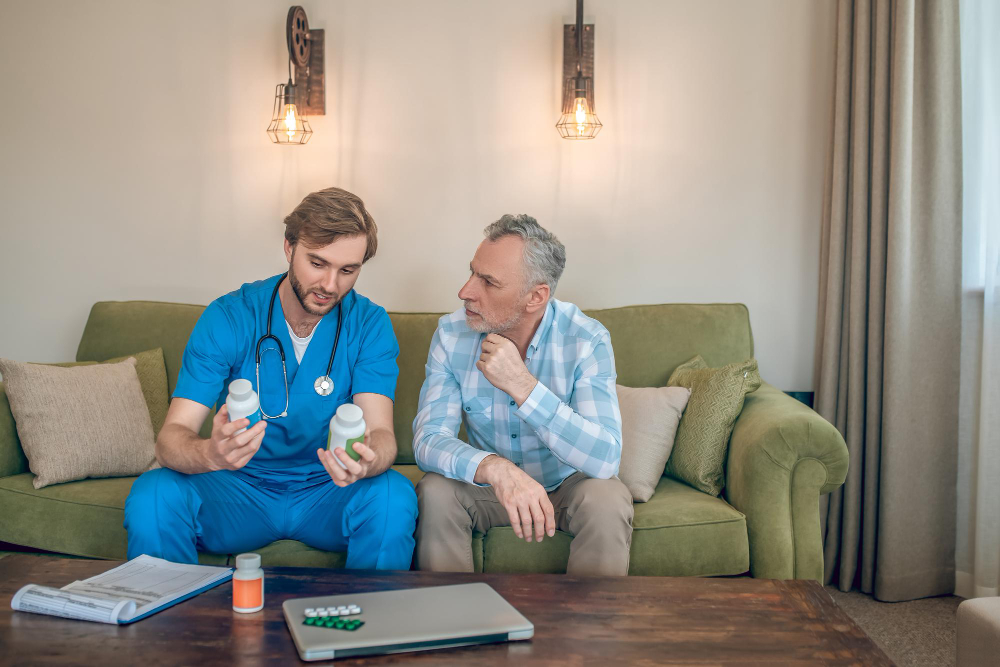
The core difference between HHA and PCA is medical scope. Home Health Aides (HHAs) are trained and certified to provide basic medical care alongside daily assistance. Personal Care Aides (PCAs) focus on non-medical support. Choosing the right caregiver depends on your loved one’s specific health needs.
Choosing the right caregiver for someone you love is one of the most important decisions a family can make. You want them to be safe, comfortable, and supported by someone qualified. That starts with understanding the difference between HHA and PCA — two roles that sound similar but carry very different responsibilities. Knowing what each caregiver can and cannot do will help you make a confident, informed choice for your loved one’s daily care.
What Does a Home Health Aide (HHA) Do?
An HHA provides both personal care and basic medical support, typically working under the supervision of a registered nurse or physician.
What tasks does an HHA perform in daily care?
HHA duties include:
- Monitoring vital signs such as blood pressure and pulse
- Administering medication under the direction of a nurse or doctor
- Assisting with bathing, dressing, grooming, and mobility
- Helping patients use medical equipment such as braces or mobility aids
- Repositioning and lifting patients as needed
- Reporting changes in a patient’s condition to the supervising healthcare team
What training and certification does an HHA need?
HHAs complete a formal training program — typically through a vocational school or community college — that covers anatomy, physiology, infection control, and medication management. Federal Medicare regulations require a minimum of 75 hours of training before an HHA can begin practicing, plus at least 12 hours of ongoing in-service training each year. Most states also require passing a certification exam.
What Does a Personal Care Aide (PCA) Do?
A PCA focuses entirely on non-medical assistance, helping your loved one manage daily life with dignity and comfort.
What tasks does a PCA perform in daily care?
PCA duties include:
- Bathing, dressing, and grooming
- Cooking meals and assisting with special diets
- Light housekeeping and running errands
- Organizing transportation and scheduling appointments
- Providing companionship and emotional support
- Reminding clients to take medication (but not administering it)
What training does a PCA need?
PCAs typically hold a high school diploma or GED. Unlike HHAs, PCAs are generally not required to complete formal certification. Most receive on-the-job training, though some states and employers may require additional coursework. Training requirements vary by location.
The Key Difference Between HHA and PCA
The difference between HHA and PCA comes down to one thing: medical scope.
Feature | HHA | PCA |
Medical tasks | Yes (under supervision) | No |
Formal certification required | Yes, in most states | Not typically |
Medication administration | Yes | No (reminders only) |
Vital sign monitoring | Yes | No |
Personal care (bathing, dressing) | Yes | Yes |
Meal prep and housekeeping | Limited | Yes |
Work settings | Home, nursing homes, hospitals | Primarily home |
Average annual salary (Indeed) | $35,021 | $31,263 |
Both roles are experiencing strong job growth — the U.S. Bureau of Labor Statistics projects 25% growth for HHA and PCA positions from 2021 to 2031, well above the national average for all occupations.
How Do You Choose the Right Caregiver for Your Loved One?
This is where families often feel uncertain. The right answer depends on your loved one’s health status and day-to-day needs.
If your loved one is managing a chronic condition, recovering from surgery, or requires regular monitoring of vital signs or medication administration, an HHA is likely the appropriate level of support. HHA care is also typically required following a hospital discharge.
If your loved one is generally healthy but needs help with daily routines — staying on top of meals, keeping their home clean, or getting to appointments — a PCA may be the right fit.
At Housecalls Home Care, our team takes the time to assess each client’s situation individually. We offer a full range of homecare services designed to match your loved one’s needs — whether that means skilled medical oversight or compassionate day-to-day assistance. Housecalls Home Care has been providing trusted care across New York State since 2010, with eight locations serving communities throughout the five boroughs.
Finding the Right Fit Starts With a Conversation
Making the right choice for your loved one does not have to feel overwhelming. Understanding the difference between HHA and PCA gives you a foundation — and the right home care provider will help you build from there.
If you are unsure which type of care is the right match, reach out today to Housecalls Homecare by calling 718-922-9200 to get a free consultation. Our team will guide you through your options, answer your questions, and connect your loved one with the compassionate, qualified support they deserve. You do not have to figure this out alone.