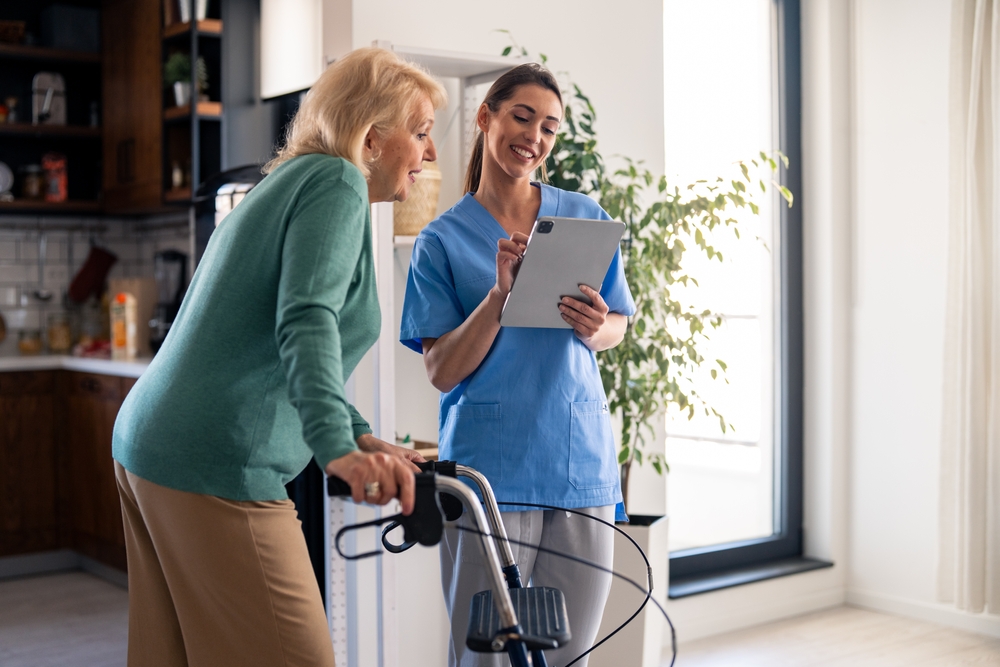
Maintaining independence is a key aspect of aging with dignity. For many older adults, challenges with balance, strength, or stability can make moving around difficult and increase the risk of falls. This is where mobility assistance aids for seniors become essential. These tools, from simple canes to advanced scooters, provide the support needed to navigate daily life safely and confidently. Choosing the right mobility aids for the elderly can significantly improve quality of life, allowing individuals to remain active and engaged. This guide will explore some of the best assistive devices for elderly individuals seeking to enhance their freedom of movement. Reach out today to learn more about how we can help you enhance your golden years.
Choosing the Right Mobility Assistance Aids for Seniors
Selecting the appropriate mobility aid is a personal decision that depends on an individual’s physical needs, lifestyle, and environment. A device that works perfectly for one person may not be suitable for another. Factors to consider include the user’s strength, endurance, balance, and cognitive function. It’s also important to think about where the aid will be used—indoors, outdoors, or both. Consulting with a healthcare professional or a physical therapist can provide valuable guidance in making the right choice. Companies providing professional home care services often have experience helping clients select and use these aids effectively.
Canes: For Basic Support
Canes are ideal for seniors who need minimal support for balance or stability. They are lightweight, easy to use, and can help relieve pressure on the leg or hip.
- Single-Point Canes: The most common type, offering a single tip for support.
- Quad Canes: These have four tips at the base, providing a wider and more stable foundation. They are a good option for individuals who need more support than a standard cane can offer.
When choosing a cane, ensure it is the correct height. The top of the cane should reach the crease in the user’s wrist when they are standing up straight.
Walkers: For Enhanced Stability
Walkers offer more support than canes and are designed for individuals with significant balance issues or lower-body weakness. They provide a stable frame that the user can lean on while walking.
- Standard Walkers: These have no wheels and must be lifted with each step. They offer maximum stability but can be slow to move.
- Two-Wheeled Walkers: With wheels on the front two legs, these walkers are easier to move than standard models while still providing good stability.
- Rollators (Four-Wheeled Walkers): Rollators have four wheels, a seat, and hand-operated brakes. They are one of the best assistive devices for elderly individuals who want to move more quickly but may need to rest periodically.
Wheelchairs and Scooters: For Greater Distances
For seniors who are unable to walk or can only manage very short distances, wheelchairs and mobility scooters are vital tools. They provide the freedom to travel longer distances and participate in community activities.
- Manual Wheelchairs: Propelled by the user or a caregiver, these are a common solution for people with limited mobility. They come in various weights and styles.
- Power Wheelchairs: These motorized chairs are controlled with a joystick, making them suitable for seniors with limited upper-body strength.
- Mobility Scooters: Scooters are great for individuals who can sit upright, steer, and operate controls. They are an excellent option for outdoor use, such as running errands or visiting parks. Quality home care services can help integrate the use of these devices into a client’s daily routine.
Integrating Mobility Aids into the Home
Making a home safe and accessible is just as important as choosing the right mobility aid. Simple modifications can prevent falls and make it easier to use devices like walkers or wheelchairs.
- Clear Pathways: Remove clutter, area rugs, and electrical cords to create clear paths throughout the home.
- Install Grab Bars: Place grab bars in bathrooms, hallways, and next to stairs to provide extra support.
- Improve Lighting: Ensure all areas of the home are well-lit to improve visibility and reduce the risk of tripping.
A team from a service like Housecalls Home Care can conduct a home safety assessment to identify potential hazards and recommend modifications.
Mobility assistance aids for seniors are powerful tools that empower older adults to maintain their independence and live active, fulfilling lives. By understanding the different types of mobility aids for the elderly, from canes and walkers to wheelchairs and scooters, families can make informed decisions that enhance safety and well-being. When combined with a supportive home environment and professional guidance, these devices can make all the difference. For personalized support, consider consulting with a care provider like Housecalls Home Care to help select and safely use the best assistive devices for your loved one. Feel free to call HouseCalls Home Care at 718-922-9200 if you or a loved one requires compassionate and competent in-home care services. You can also send an email to us at info@HouseCallshc.org for more information. Our goal is to help you find the best support for your needs. Alternatively, you can register your information at https://yuz88hfiyh7.typeform.com/to/E5thuv5G?typeform-source=statics.teams.cdn.office.net, and we will get back to you.