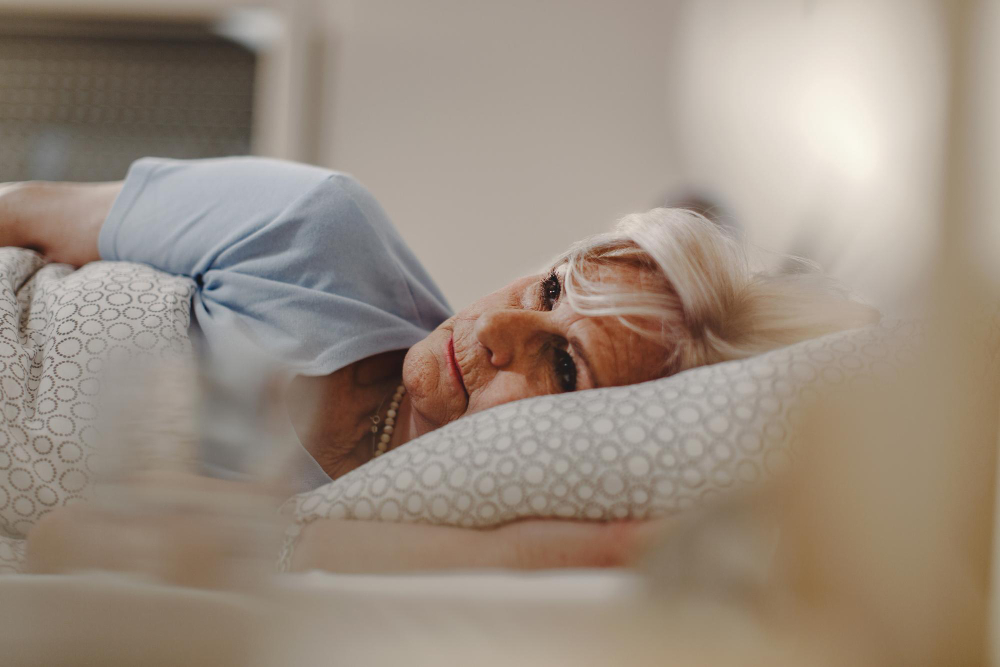
Circadian lighting mimics the natural rise and fall of sunlight to support the body’s internal clock. For older adults, it can reduce sleep disruption, ease depression symptoms, and improve daily mood, especially when combined with consistent home care routines.
Sleep problems are not a normal part of aging. They are a warning sign. Millions of older adults struggle to fall asleep, stay asleep, or wake up feeling rested, and the cause is often hiding in plain sight: light.
The light your loved one is exposed to every day directly shapes how their brain regulates sleep, energy, and mood. When that light is wrong either too dim in the morning or too bright at night- the body’s internal clock falls out of sync. The effects are real, and they compound quickly.
Circadian lighting is changing that. By matching light exposure to the body’s natural rhythms, it offers one of the most accessible tools available for improving senior sleep and emotional well-being.
What Is Circadian Lighting and Why Does It Matter for Seniors?
Circadian lighting refers to artificial lighting systems designed to shift in color temperature and intensity throughout the day — mimicking the natural arc of sunlight. Warm, dimmer light in the morning and evening. Cooler, brighter light during midday hours.
The goal is to support the body’s circadian rhythm: the 24-hour internal clock that regulates sleep, wakefulness, hormone release, and mood. Every cell in the human body responds to light cues, and the brain depends on consistent exposure to maintain this rhythm.
For older adults, this matters more than most people realize. Aging naturally reduces light sensitivity, meaning seniors need significantly more light than younger adults to receive the same biological signal. Many indoor environments, particularly homes with small windows, dim fixtures, or heavy curtains, simply do not deliver enough.
Why Circadian Lighting Is Saving Senior Sleep
Sleep does not just become lighter with age; it also changes the sleep architecture. Older adults spend less time in deep, restorative sleep stages and more time in lighter stages that are easily disrupted. That disruption has consequences: fatigue, confusion, increased fall risk, and faster cognitive decline.
How Light Affects the Aging Sleep Cycle
Light is the primary signal the brain uses to produce melatonin, the hormone that triggers sleep. When light exposure is inconsistent or poorly timed, melatonin production becomes irregular. Your loved one may feel drowsy in the afternoon and wide awake at midnight, such as a pattern that frustrates families and exhausts caregivers.
Circadian lighting addresses this directly. Morning light exposure is cooler and brighter, which suppresses residual melatonin and reinforces wakefulness. Evening light is warmer and dimmer, which allows melatonin to rise naturally, preparing the body for sleep. Studies have found that structured light exposure can improve sleep efficiency and reduce nighttime waking in older adults, including those with dementia.
The benefit is not just more sleep. It is better sleep, at the right time.
How Circadian Lighting Improves Senior Mood
Sleep and mood are inseparable. When your loved one is not sleeping well, their emotional resilience drops. Irritability, withdrawal, and sadness follow. Over time, poor sleep is a known risk factor for depression in older adults.
Circadian lighting works on mood through more than one pathway.
The Connection Between Light Exposure and Mental Health
Light exposure stimulates the production of serotonin, a neurotransmitter that supports stable mood, motivation, and a sense of calm. Low light conditions that are common in homes where seniors spend most of their day indoors, without sunlight, are directly associated with lower serotonin levels.
Seasonal Affective Disorder is the most well-known example of light-driven mood disruption. But reduced light exposure affects mood year-round for older adults who are largely housebound.
Consistent circadian lighting gives your loved one’s brain the input it needs to regulate these systems. The result is often subtle but meaningful: less agitation, steadier mood, and a greater sense of engagement with daily life.
How Home Care Services Can Support Circadian Lighting at Home
Knowing that light matters is one thing. Putting it into practice at home is another.
Home care services play a direct role here. A caregiver who understands circadian principles can build light-supportive habits into the daily routine:
- Morning routines: Opening blinds and encouraging time near a window shortly after waking to reinforce the wake signal.
- Afternoon activity: Positioning daily activities such as meals, reading, and light exercise in well-lit areas during peak daylight hours.
- Evening wind-down: Dimming overhead lights and reducing screen exposure in the hour before bed.
- Lighting adjustments: Identifying rooms that are chronically dim and recommending simple changes, such as warmer bulbs in bedrooms and brighter, cooler lighting in living areas.
These are small adjustments. Their impact is not.
Housecalls home care caregivers are trained to notice environmental factors that affect your loved one’s health, including how their home is lit. Home care services at housecalls extend well beyond physical assistance. They include the kind of attentive, consistent support that makes changes like these sustainable.
Bringing Better Light Into Your Loved One’s Life
Your loved one’s sleep and mood are not fixed. They are responsive to environment, and light is one of the most powerful environmental levers available.
If your loved one is struggling with sleep disruption, daytime fatigue, or low mood, circadian lighting is worth exploring alongside their existing care plan. It does not require expensive equipment or a home renovation. It requires awareness, consistency, and support.
The HouseCalls Home Care is here to help your family take that next step. Reach out to a care coordinator today by calling 718-922-9200 to learn how our home care services can support your loved one’s daily routine and their quality of life.