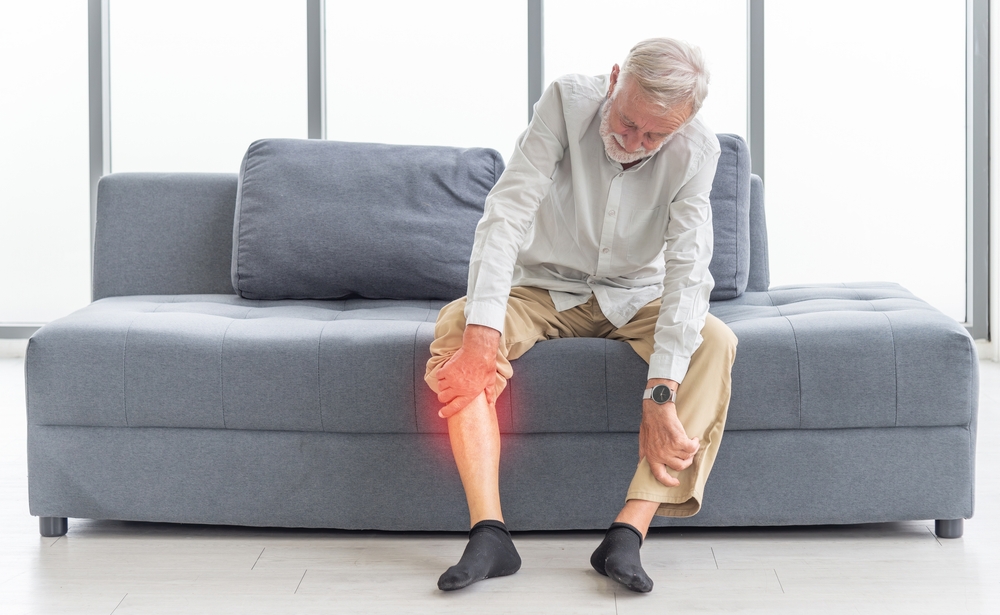
While aging is a natural part of life, it often comes with a unique set of challenges that can impact an individual’s health and independence. Understanding these issues is the first step toward proactive management and finding effective solutions. This guide explores the four major old age problems that seniors commonly face, from chronic health conditions to cognitive decline. By examining these health problems and solutions, families and caregivers can better prepare and provide the support needed to ensure their loved ones continue to live full, dignified lives. Recognizing these challenges early allows for timely intervention and planning. Reach out today to learn more about how we can help you enhance your golden years.
Chronic Health Conditions
As we age, our bodies become more susceptible to long-term illnesses. Chronic diseases are the most common health issue among older adults, often requiring ongoing medical attention and management.
Common Chronic Diseases
Many seniors live with two or more chronic conditions. Some of the most prevalent include:
- Cardiovascular Disease: This includes high blood pressure, coronary artery disease, and heart failure. It remains a leading cause of health issues in the elderly.
- Arthritis: Causing joint pain and stiffness, arthritis can severely limit mobility and the ability to perform daily tasks.
- Diabetes: Type 2 diabetes is increasingly common in older adults and requires careful management of diet, exercise, and medication to prevent serious complications.
- COPD (Chronic Obstructive Pulmonary Disease): This progressive lung disease makes breathing difficult and often requires oxygen therapy and other respiratory support.
Solutions and Management
Managing these conditions is one of the biggest challenges when considering old health problems and solutions. Consistent medical care is key. Regular checkups, medication adherence, and lifestyle adjustments like a healthy diet and gentle exercise are crucial. For complex cases, professional home care services can provide aides to assist with medication reminders and daily monitoring, helping to prevent hospitalizations.
Cognitive Decline
While minor memory lapses can be a normal part of aging, significant cognitive decline, such as that seen in Alzheimer’s disease and other dementias, is one of the four major old age problems.
Impact of Cognitive Decline
Dementia affects more than just memory. It can impact:
- Reasoning and Judgment: Making it difficult to solve problems or make safe decisions.
- Communication: Leading to trouble finding words or understanding conversations.
- Behavior and Personality: Causing confusion, agitation, or withdrawal.
Solutions and Management
There is no cure for most forms of dementia, so care focuses on managing symptoms and ensuring safety. Creating a stable, predictable routine is essential. For those with significant needs, living at home is often the best option to reduce confusion. HouseCalls Home care can bring medical professionals into the home for assessments, while daily caregivers provide supervision and engage the senior in mentally stimulating activities. This approach helps maintain cognitive function for as long as possible.
- Physical Injury from Falls
As strength, balance, and vision decline with age, the risk of falling increases dramatically. Falls are a leading cause of both fatal and non-fatal injuries in seniors and can result in hip fractures, head trauma, and a loss of independence.
Causes of Falls
Several factors contribute to the high rate of falls among the elderly:
- Muscle weakness and poor balance.
- Side effects from medications that cause dizziness.
- Poor vision.
- Environmental hazards like loose rugs, poor lighting, and clutter.
Solutions and Management
Fall prevention is a critical component of elderly care. Regular exercise that focuses on balance and strength, such as Tai Chi, can be highly effective. A thorough home safety assessment should be conducted to eliminate potential hazards. It is also important to have medications reviewed by a doctor to identify any that might increase fall risk. Professional home care services can provide an extra layer of safety, offering mobility assistance and supervision.
- Social Isolation and Mental Health Issues
The final of the four major old age problems is the impact of loneliness on mental health. As seniors retire, lose spouses or friends, or face mobility challenges, they can become socially isolated. This loneliness is a significant risk factor for depression and anxiety.
The Connection to Health
Social isolation doesn’t just affect mood; it has been linked to a higher risk of:
- High blood pressure.
- Heart disease.
- Weakened immune system.
- Cognitive decline.
Solutions and Management
Addressing this involves fostering social connections. Encouraging participation in community center activities, scheduling regular visits from family, and using technology like video calls can combat isolation. Companionship care, a service offered by many home care agencies, provides a friendly face and conversation, which can make a world of difference. Furthermore, specialized services like HouseCalls Home Care can bring mental health professionals to the home if depression or anxiety becomes severe.
Navigating old age requires a proactive and compassionate approach. By addressing the four major challenges—chronic disease, cognitive decline, fall risk, and social isolation—we can significantly improve the well-being of older adults. Whether through family support, community resources, or professional care, the goal is to create a safe and nurturing environment that allows seniors to age with dignity and grace.
Feel free to call HouseCalls Home Care at 718-922-9200 if you or a loved one requires compassionate and competent in-home care services. You can also send an email to us at info@HouseCallshc.org for more information. Our goal is to help you find the best support for your needs. Alternatively, you can register your information at https://yuz88hfiyh7.typeform.com/to/E5thuv5G?typeform-source=statics.teams.cdn.office.net, and we will get back to you.