Yoga is a gentle yet powerful way to enhance physical and mental well-being at any age. For seniors, it offers a fantastic way to improve balance, flexibility, and strength, which are crucial for maintaining an active and independent lifestyle. If you’re considering this practice, you might be asking, “What are the preparations needed for yoga exercises in the elderly?” A little planning can make all the difference, especially for yoga for elderly beginners. By taking a few simple steps before you start, you can ensure your yoga journey is safe, enjoyable, and rewarding, setting the stage for long-term health benefits. Reach out today to learn more about how we can help you enhance your golden years.
What are the Preparations Needed for Yoga Exercises in the Elderly?
Starting any new form of exercise requires thoughtful preparation, and yoga is no exception. For older adults, ensuring safety and comfort is the top priority. The right approach will help prevent injury and make the experience positive from the very first session. These preparations involve consulting with a doctor, finding the right class, and creating a comfortable practice space.
Essential First Steps for Safety
Before you attempt your first pose, there are a few key things to do to set yourself up for success.
- Consult Your Doctor: This is the most important preparation. Talk to your healthcare provider before starting yoga. Discuss any chronic conditions, injuries, or physical limitations you have. Your doctor can advise you on which movements to approach with caution or avoid altogether.
- Find a Qualified Instructor: Look for a yoga teacher who has experience working with older adults or who is certified in gentle or senior yoga. An experienced instructor will know how to modify poses to suit different ability levels and ensure you are practicing safely.
- Choose the Right Style: Not all yoga is the same. Styles like Hatha, Restorative, or Chair Yoga are excellent for yoga for elderly beginners. These practices are slower-paced and focus on basic poses and proper alignment. Avoid more vigorous styles like Vinyasa or Power Yoga until you have built up strength and familiarity.
Creating Your Ideal Yoga Space
Whether you’re joining a class or practicing at home, your environment matters. A comfortable and safe space will allow you to relax and focus on your practice.
- Select a Safe Area: Find a spot with plenty of room to move without bumping into furniture. The floor should be level and not too slippery.
- Gather Supportive Props: Yoga props are not just for advanced practitioners; they are incredibly helpful for beginners.
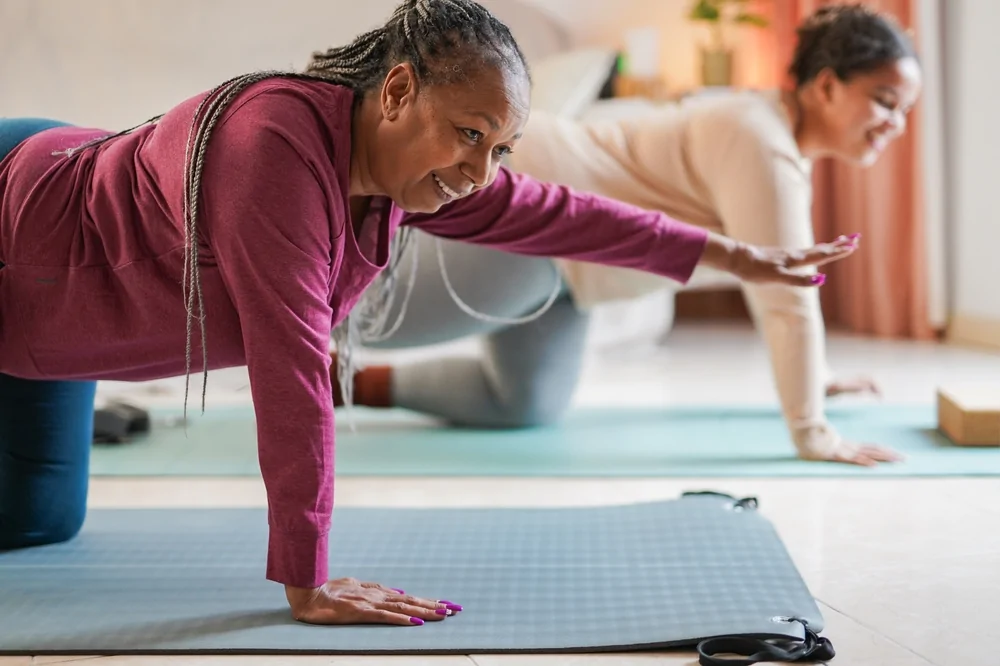
- Yoga Mat: A non-slip mat provides cushioning and stability.
- Sturdy Chair: Chair yoga is a wonderful option for those with balance concerns. A firm, armless chair allows you to perform many poses while seated or using the chair for support.
- Blankets and Cushions: These can be used for extra padding under your knees or to sit on for better posture.
- Yoga Blocks: Blocks can bring the floor closer to you, making poses more accessible.
What to Wear and When to Practice
Your comfort during yoga is key to a sustainable practice.
- Wear Comfortable Clothing: Choose loose, breathable clothing that allows you to move freely. You don’t need special yoga pants; any comfortable athletic wear will do.
- Practice on an Empty Stomach: It’s best to practice yoga at least two hours after a large meal. A light snack beforehand is fine if you need it.
- Listen to Your Body: This is the golden rule of yoga. Never push yourself into a pose that causes pain. If something doesn’t feel right, gently back off. The goal is to challenge yourself, not to strain your body.
For some seniors, getting started with a new routine can feel daunting, especially if mobility is a concern. In these cases, professional home care services can be a great asset. A caregiver can assist with setting up a safe practice space at home and encourage. Agencies like Housecalls home care can even incorporate gentle movement and exercise into their care plans, helping seniors stay active under supportive supervision. Having this kind of assistance can remove barriers and make it easier to embrace a healthy habit like yoga.
By taking these preparatory steps, you can confidently begin your journey with yoga. Answering the question, “What are the preparations needed for yoga exercises in the elderly?” is the first move toward unlocking the many benefits of this ancient practice. With support from professionals, including instructors and even home care services, yoga for elderly beginners can be a safe, accessible, and life-enriching activity. Feel free to call HouseCalls Home Care at 718-922-9200 if you or a loved one requires compassionate and competent in-home care services. You can also send an email to us at info@HouseCallshc.org for more information. Our goal is to help you find the best support for your needs. Alternatively, you can register your information at https://yuz88hfiyh7.typeform.com/to/E5thuv5G?typeform-source=statics.teams.cdn.office.net, and we will get back to you.